
Blog
Insights on Ceylon produce & trade
Sourcing know-how, product deep-dives and notes on quality, certification and global supply.
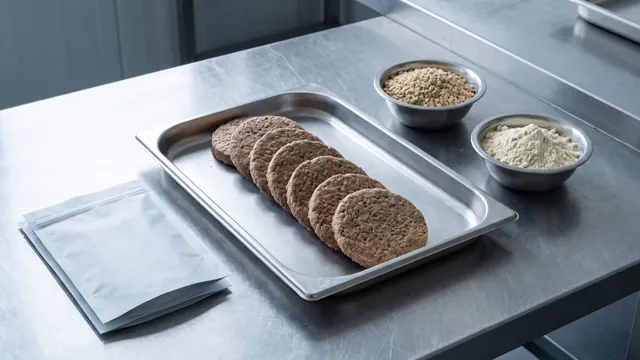
Five Questions Before You Sign a Plant-Based Co-Manufacturing Deal
ISO 23662 demands thorough cleaning on a shared vegan line but sets no threshold. Five terms to settle with a plant-based co-manufacturer before signing.
Read article →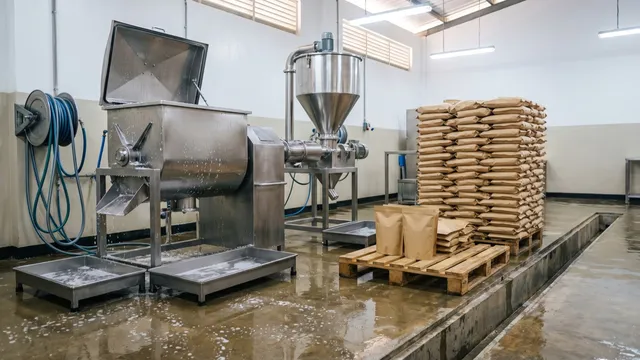
Low-MOQ vs High-Volume Contract Manufacturing: How Price Is Set
A contract manufacturing quote is two cost structures. Under 21 CFR 111.80(a) sampling attaches to the lot, not the unit. Where the price gap comes from.
Read article →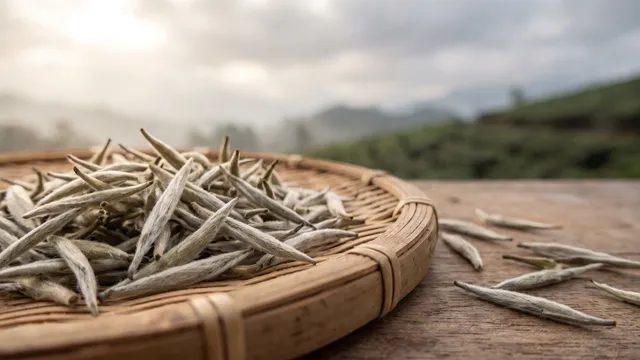
Ceylon Silver Tips White Tea: Spec and Price Ceiling
Ceylon silver tips white tea needs about 5 kg of hand-plucked buds for every 1 kg finished leaf. What that yield means for grade, sourcing, and price.
Read article →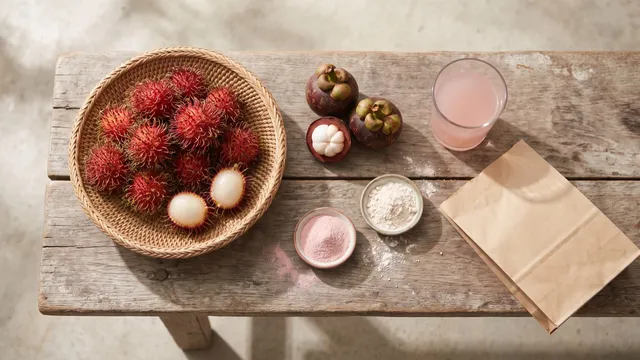
Rambutan and Mangosteen Powder for Premium Beverage Lines
Mangosteen pericarp carries roughly 100 times the xanthones of the aril. The part-of-fruit, blanch and carrier spec behind a premium Asian-fruit beverage.
Read article →
Own-Brand Labels, Barcodes, and the Certified Export Pallet
A UK regulator found 24 percent of 621 retail food labels unsatisfactory in 2025/26. The panel, barcode licence and pallet spec behind an own-brand export run.
Read article →
Standardized Botanical Extract RFQ Checklist: Marker Compound, Solvent, and COA Specs
A standardized botanical extract RFQ checklist: marker-compound reconciliation, ICH Q3C solvent limits, stability data, and the COA clauses that hold up.
Read article →
What BRCGS Certification Signals to a Retail Listing Buyer
BRCGS covers more than 24,500 certified sites in 137 countries. What the certificate actually proves to a retail buyer, and the records that ship with a lot.
Read article →
EU Botanical Ingredient Sourcing: Where MRL and Novel Food Rules Bite
Gotu kola faces EU checks on 50 percent of consignments under Reg 2019/1793. How MRL defaults, novel food status and COA depth decide if a shipment clears.
Read article →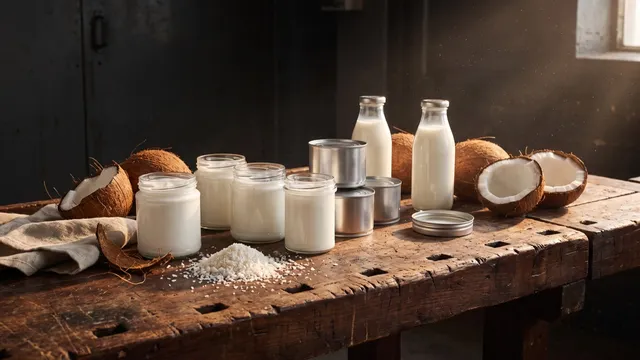
Coconut Milk and Cream Co-Packing: Fill Formats and Day Rates
Coconut milk and cream co-packing runs 3,000 jars or 2,500 bottles a day. See why the retort schedule sets throughput, what a changeover costs, and the RFQ.
Read article →
How to Write a Spice RFQ: Specs, Certifications, and MOQ Questions
ASTA sets defect limits, ESA sets chemical minima, and a spice RFQ needs both. Volatile oil, EU aflatoxin at 5.0 ug/kg, grades, certs and MOQ clauses.
Read article →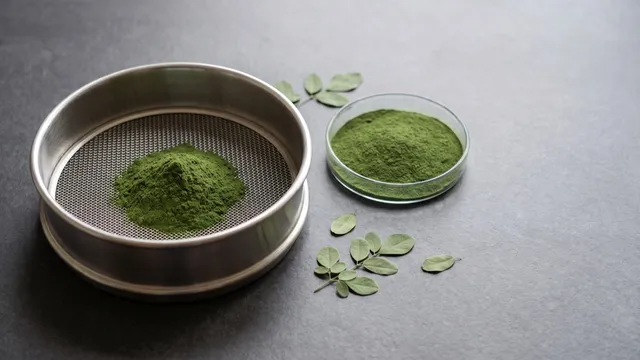
Moringa Leaf Powder Spec for Greens Blends and Capsule SKUs
Proposition 65 lead limits differ 6.6x between a 10 g greens scoop and a 1.5 g capsule serving of the same lot. Mesh, assay ranges, microbiology and shelf life.
Read article →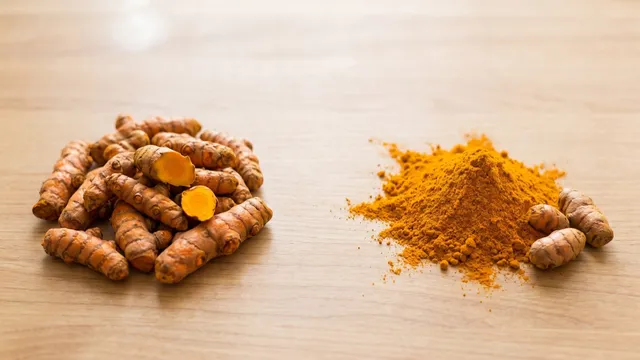
Ceylon vs Indian Turmeric: Curcuminoid Range and Lead Risk
Turmeric curcuminoids run 2-5% dry weight regardless of origin. The EU caps lead at 1.5 mg/kg for root spices; India's own domestic limit is 10 mg/kg.
Read article →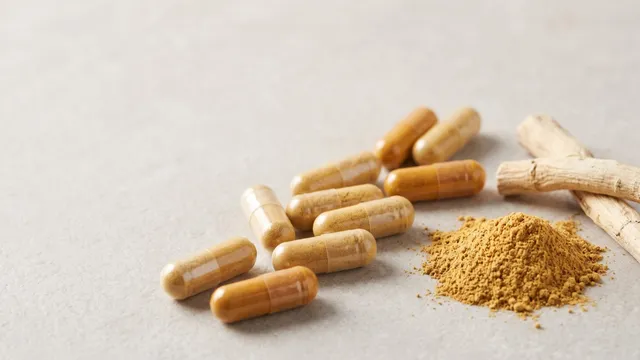
Herbal Capsule and Powder Co-Manufacturing: Capacity and Batch Sizes
US herbal supplement sales hit a record $13.23bn in 2024. What encapsulation throughput means in bottles, how extracts fill differently, and honest batch sizes.
Read article →
FSSC 22000 V6 Explained: Scope, Audit Pack, and V7 Transition
Foundation FSSC reports over 40,000 certified sites in 150 countries. What an FSSC 22000 V6 scope line proves, what belongs in an audit pack, what V7 changes.
Read article →
Ashwagandha Root Extract Spec: Extraction Ratio, Metals, COA
Ashwagandha extract purchase spec: reconcile extraction ratio against USP's 0.3% root withanolide floor, back-calculate metal ceilings, set COA clauses.
Read article →
2026 Ceylon Export Compliance Checklist: US and EU
EU checks cover 50 percent of consignments for some Sri Lanka origins. The 2026 customs documents, certificates and residue limits a Ceylon shipment must clear.
Read article →
How to Verify a Sri Lankan Contract Manufacturer
Registers, scope statements and audit windows: how US and EU buyers verify a Sri Lankan co-manufacturer, and why the 2026 FDA renewal window matters now.
Read article →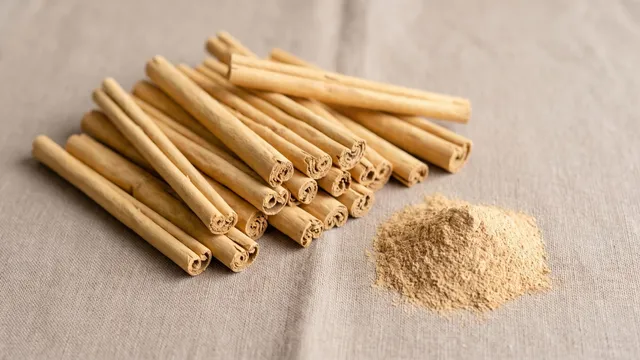
Ceylon Cinnamon Grades: Alba to C5 Spec Sheet
SLS 81:2021 sorts Ceylon cinnamon quills into 13 grades, Alba at 6 mm to H3 at 38 mm. The grade ladder, chemical spec, COA cadence and MOQ for bulk buyers.
Read article →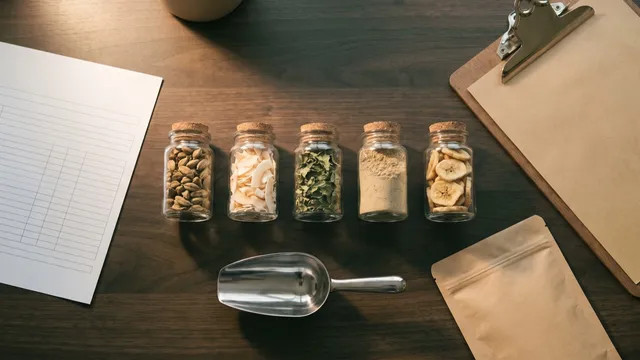
Sri Lanka Sourcing: Questions Buyers Asked in August
Sri Lanka's spice exports hit US$280.5m in the first seven months of 2026. A founder's month close on the sourcing questions August buyers actually asked.
Read article →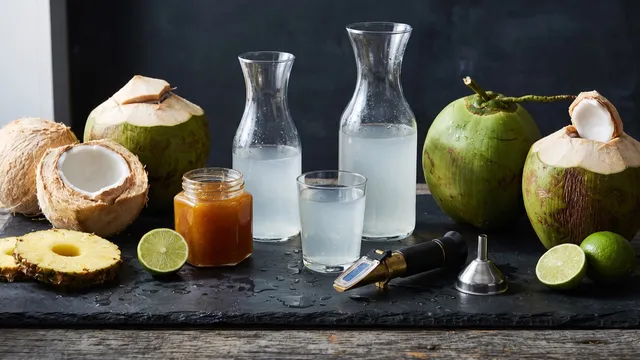
Coconut Water and Fruit Beverage Bases: The RFQ Spec Primer
Coconut water sits near pH 4.7 to 5.4, above the 4.6 acidified-food line, so the pack is a low-acid canned food. Brix, pH, format and MOQ for your RFQ.
Read article →
Running a Certified Organic Line Beside Conventional
How a split organic operation runs beside conventional production: segregation, cleaning validation, mass balance, and 50 kg per SKU certified organic runs.
Read article →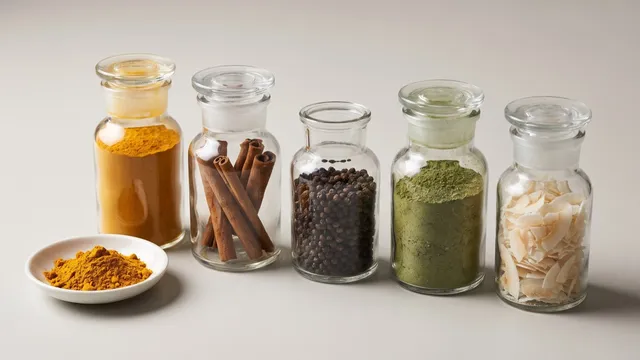
Halal, Kosher, FSSC 22000 and Organic: What Each Opens
Halal, kosher, BRCGS, FSSC 22000 V6 and organic compared for ingredient buyers: what each opens, the records required, and Indonesia's 17 October 2026 deadline.
Read article →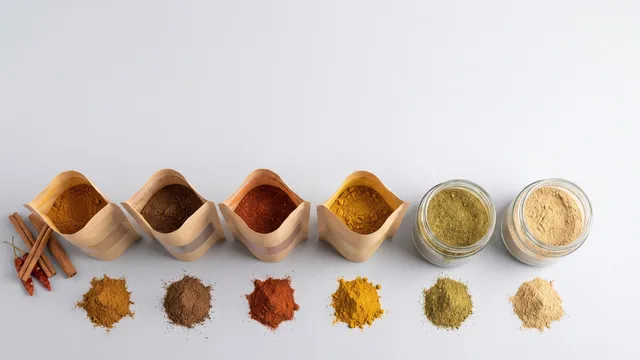
Private-Label Spice Blend Range: Formulation, Labels and MOQ
EU rules let a spice mixture under 2 percent of a finished food be declared just as spices. An RFQ primer on formulation ownership, label data and range MOQ.
Read article →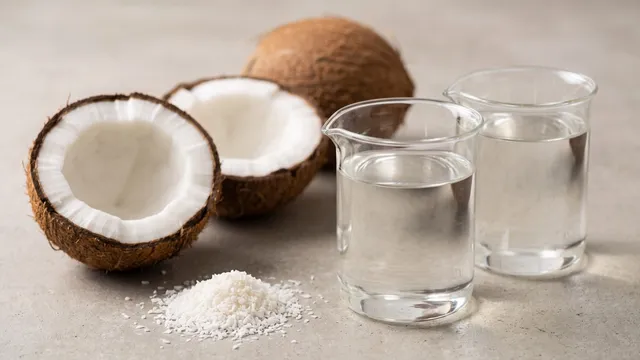
Ceylon vs Philippine Coconut: Virgin Oil and MCT
Ceylon and Philippine coconut supply compared for VCO and MCT buyers: grade consistency, PCA clearance, 1 MT versus full-container MOQ, and broker margin.
Read article →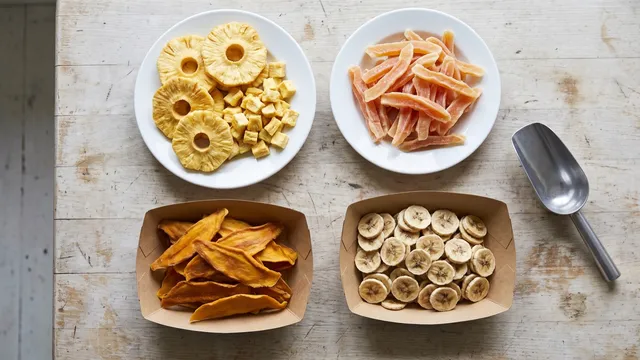
Dehydrated Fruit Slices, Dices and Strips: Spec Primer
Dehydrated fruit slice, dice and strip specs for cereal and snack lines: moisture and water activity ceilings, 10 ppm sulphite rules, and piece-size tolerance.
Read article →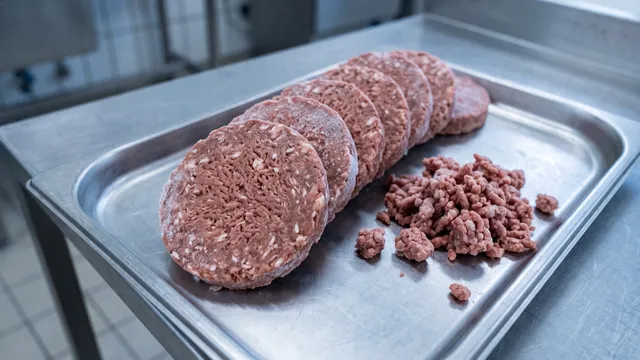
Plant-Based Mince and Patty: Protein Input and Freeze Rate
US plant-based meat retail fell 10% to $1.0 billion in 2025, and 70% of it sold frozen. What a co-manufacturing brief needs on protein input and freeze rate.
Read article →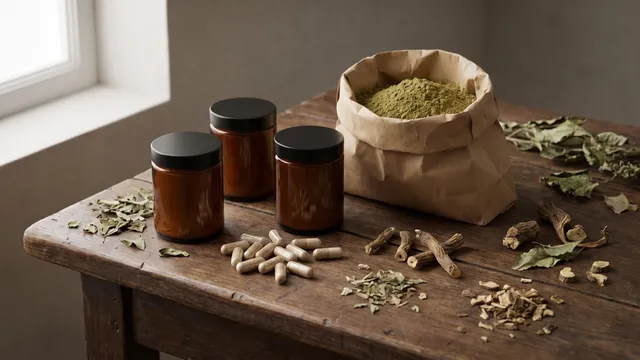
Sri Lanka Ayurveda Licence: What It Covers for Buyers
The Ayurveda Act No. 31 of 1961 licence is a Sri Lankan domestic authorisation. What it proves, what it does not, and how it sits beside GMP and HACCP.
Read article →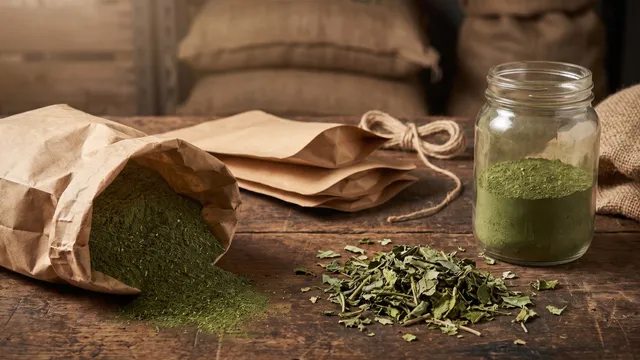
Organic Equivalence for Canadian and US Botanical Importers
Sri Lanka holds no organic equivalence arrangement with the US or Canada. The three certification routes, the NOP Import Certificate, and the CFIA URN.
Read article →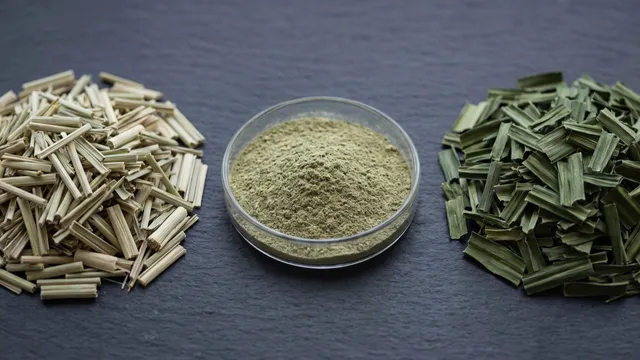
Ceylon Lemongrass and Pandan (Rampe): A Dried Leaf Spec Primer
Dried lemongrass and pandan spec for seasoning buyers: 10% max moisture, 0.65 water activity, the EU microbiology gap, and steam versus ETO on import.
Read article →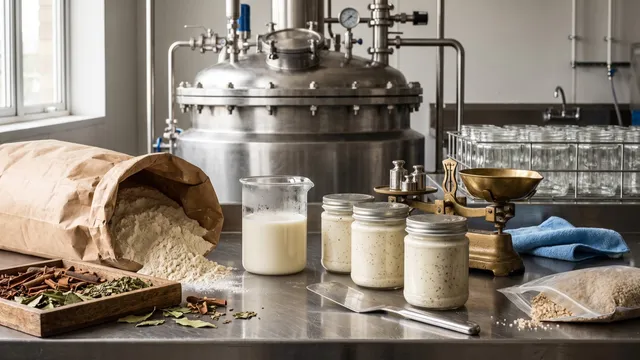
NPD as a Service: From Bench Sample to First Certified Export Run
Food R&D and NPD gate by gate: bench sample, pilot batch, first certified export run, the weeks each takes, and why 83% of brands raised NPD budgets in 2025.
Read article →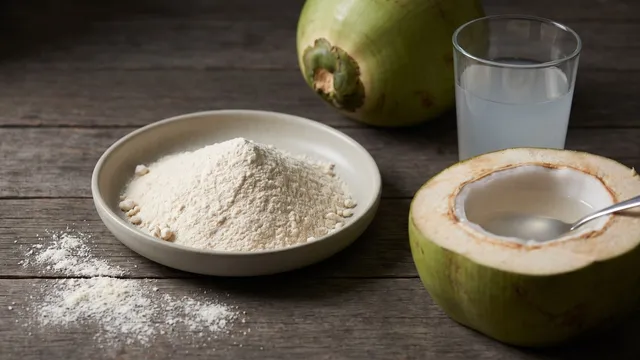
Coconut Water Powder: Spray-Drying Yield, Carriers, and Cost
A carrier-free kilo of coconut water powder needs 15 to 19 litres of coconut water. Yield math, maltodextrin carrier loading, and the RFQ spec to demand.
Read article →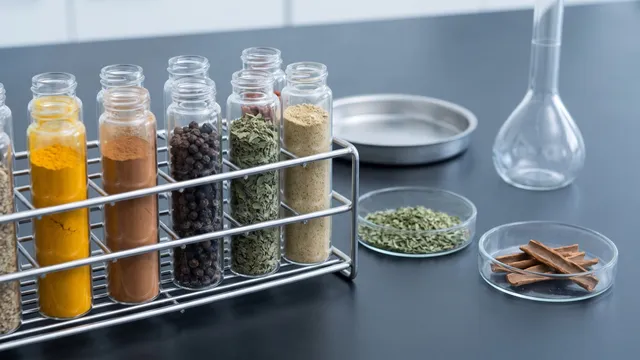
Per-Lot Heavy Metal and Pesticide Testing: How to Read a COA
EU lead limits for spices run 0.60 to 2.0 mg/kg by plant part, and a residue can exceed the MRL and still comply. How to read a heavy metal and pesticide COA.
Read article →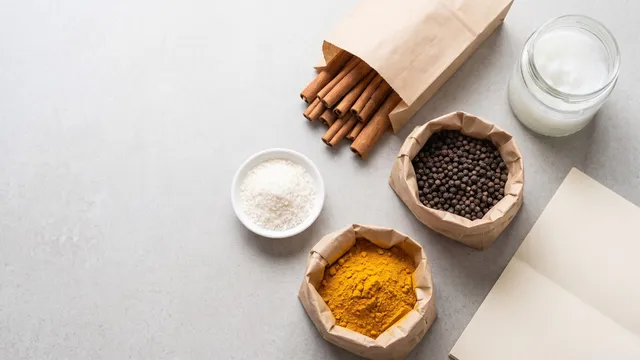
GB Organic and Labelling Rules for UK Ceylon Buyers
Sri Lanka is not a GB-equivalent organic country. 12 Defra-recognised control bodies cover it, and only 11 carry category D. The UK importer's document set.
Read article →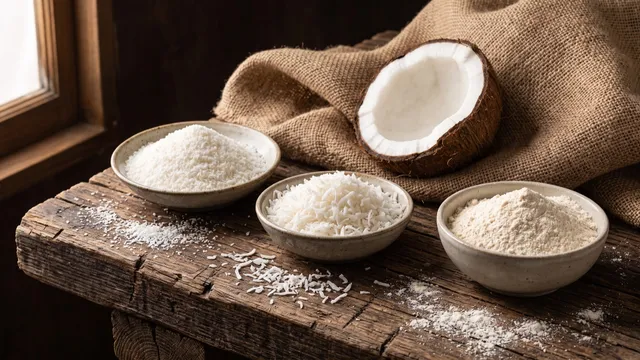
Ceylon Desiccated Coconut and Coconut Flour: A CPG Brief
Codex caps desiccated coconut moisture at 4% m/m, not 3%. Grade sieve splits, 1 to 2 MT per day line throughput, pallet config, and the per-lot COA package.
Read article →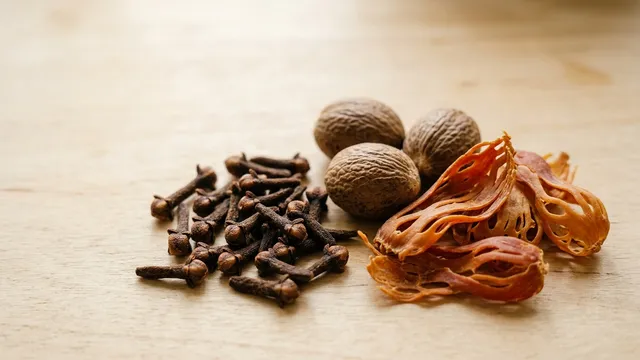
Ceylon Cloves, Nutmeg and Mace: The Procurement Spec Primer
ESA sets clove volatile oil at 14 ml/100g minimum, nutmeg 5 to 6.5 and mace 5.0. Grades, ASTA cleanliness limits, EU aflatoxin rules, and the 50 kg MOQ ladder.
Read article →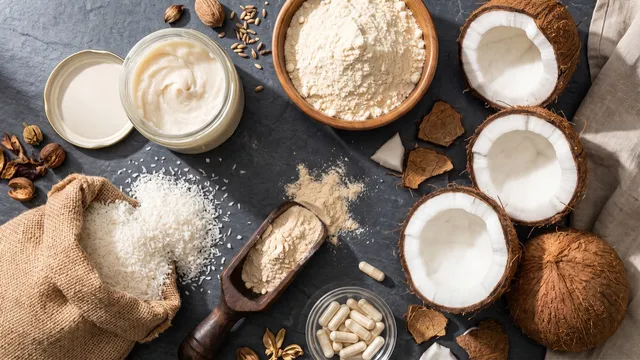
Qualifying a Coconut and Plant-Based Contract Manufacturer
Vegan patties at 15,000 units a day. A capability brief for EU and US formulators: throughput per format, MOQ per SKU, BRCGS, FSSC 22000 V6 and organic chains.
Read article →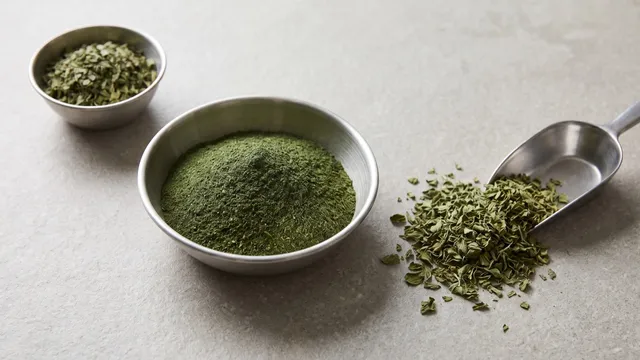
Sourcing Single-Botanical Powders: EU and Japan Spec
EU law caps lead in food supplements at 3.0 mg/kg. A procurement guide to buying single-botanical powders direct: plant part, COA, mesh, MOQ and lead time.
Read article →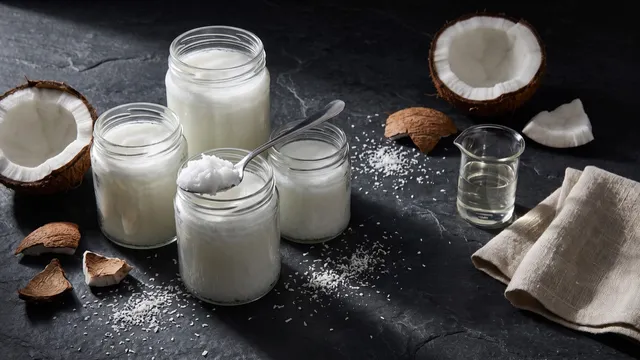
Private-Label Coconut Oil Spec Sheet for EU Importers
Europe imported 662,000 tonnes of coconut oil in 2023. A spec sheet for private-label retail jars: Codex limits, EU 1169/2011 labelling, EU and GB organic.
Read article →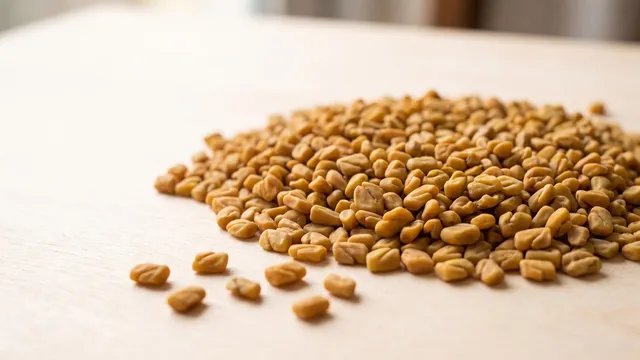
Fenugreek Seed and Powder: Saponin Spec and RFQ Checklist
Whole fenugreek seed runs about 0.14% total steroidal saponins while extracts sell above 45%. A saponin spec, dose math, and RFQ checklist for buyers.
Read article →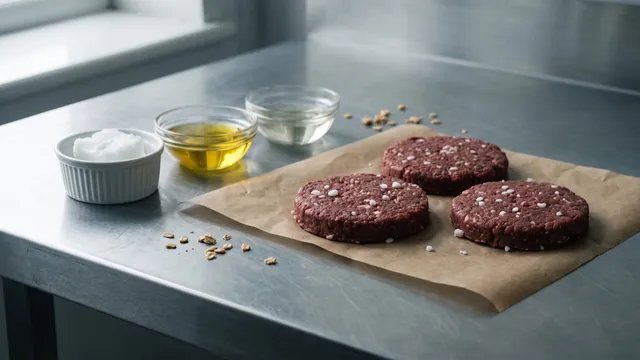
Vegan Burger Patty Fat: Coconut vs Sunflower vs MCT Compared
Coconut oil carries 82.5 g saturated fat per 100 g against 9.9 g for high-oleic sunflower oil. A vegan patty fat formulation matrix, with EU and US label math.
Read article →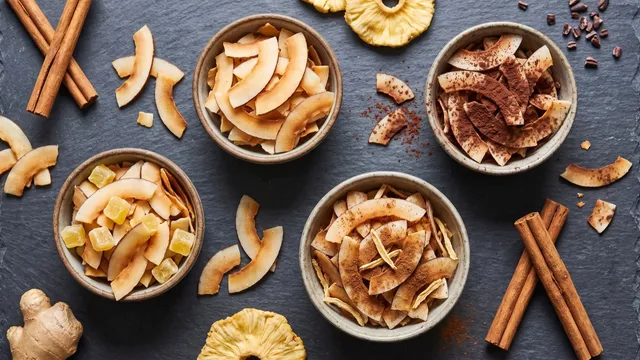
Flavored Coconut Chips: Retail SKU Contract Manufacturing
FDA delisted coconut as a tree nut allergen on 6 January 2025. The EU caps dried coconut at 50 mg/kg SO2. Label and spec rules for flavored retail chip SKUs.
Read article →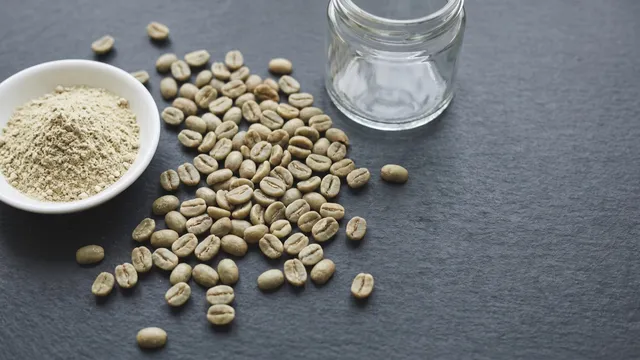
Green Coffee Bean Powder for Weight-Management Nutraceutical SKUs
A 2019 survey found commercial green coffee extracts delivered 57% of their label chlorogenic acid. Assay basis, OTA limits and claim rules for B2B buyers.
Read article →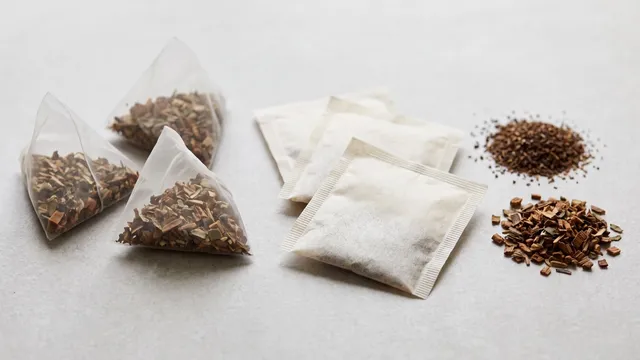
Ceylon Tea Bag Formats: Pyramid, Round Paper, String and Tag
EU Regulation 2025/40 makes permeable tea bags industrially compostable from 12 February 2028. Pyramid, paper and string-and-tag formats compared for B2B.
Read article →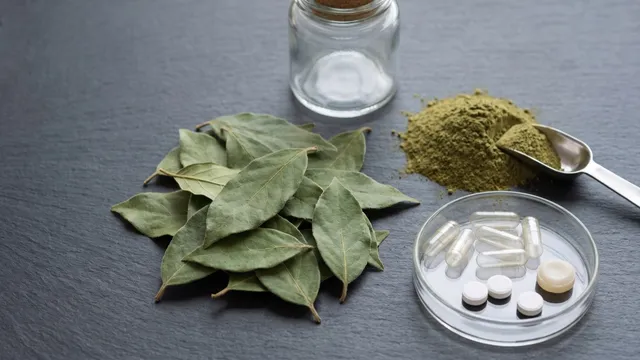
Gymnema (Gurmar) Delivery Formats: Capsule, Gummy, or Lozenge
Gymnemic acid blocks the human sweet receptor for roughly 30 to 60 minutes, which rules out sweetened gummies. Format specs for gurmar SKUs, 50 kg MOQ.
Read article →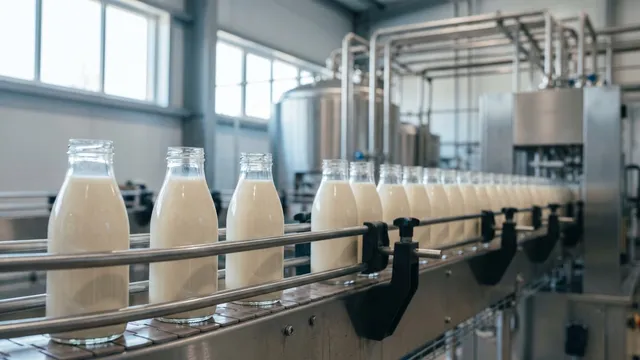
Single-Serve Plant Milk Co-Packing: 200 ml Glass Bottle Economics
Co-packing plant milk in 200 ml glass: line capacity at 2,500 bottles a day, 1,250-bottle MOQ, EU naming rules, and the freight math glass never escapes.
Read article →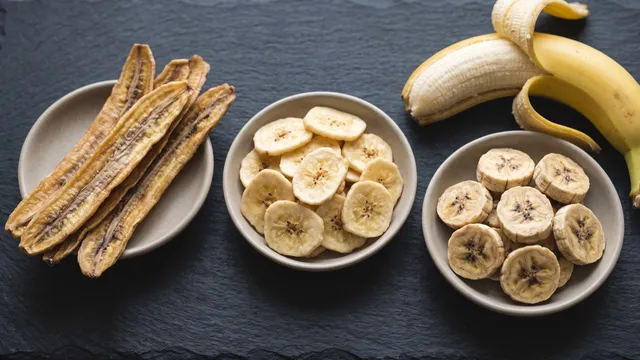
Dehydrated Banana Formats: Strip, Chip and Coin
USDA data puts fried banana chips at 33.6 g fat per 100 g against 1.81 g for air-dried banana. Strip, chip and coin format specs for snack and cereal buyers.
Read article →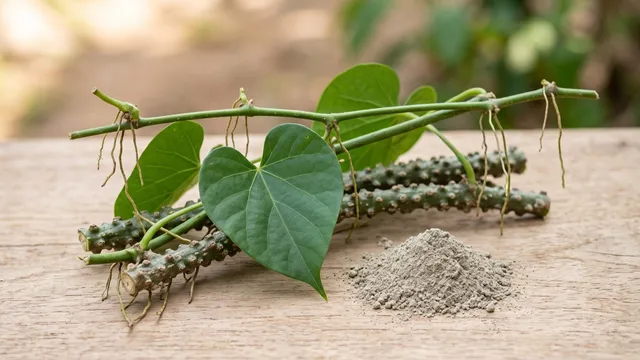
Guduchi Powder for Immunity-Claim Nutraceutical SKUs
Guduchi (Tinospora cordifolia) powder spec: species vs T. crispa, the immunity evidence, liver-safety record, US/EU claim limits, and a 50 kg first-order MOQ.
Read article →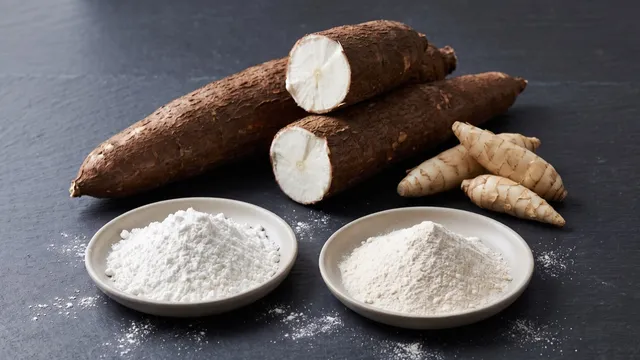
Cassava and Arrowroot Powder Spec for Gluten-Free Baking
Cassava flour enters the EU under a 10.0 mg/kg cyanide ceiling and bakes at a 0.25 mm sieve. The full RFQ spec for cassava and arrowroot powder buyers.
Read article →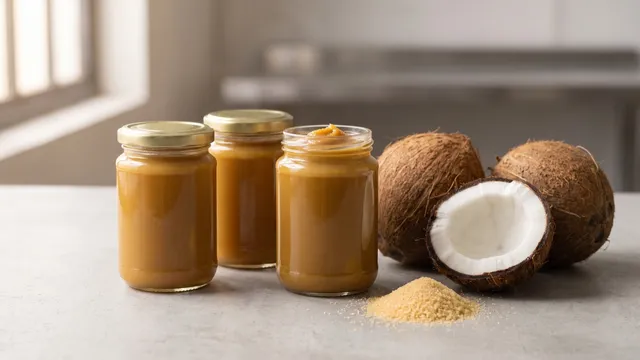
Coconut Jam Private Label in Glass Jars: Naming, Brix, Shelf Life
Coconut spread cannot be labelled jam in the EU or US: coconut is in neither fruit list. Brix, water activity 0.85 and pH 4.6 formulation limits explained.
Read article →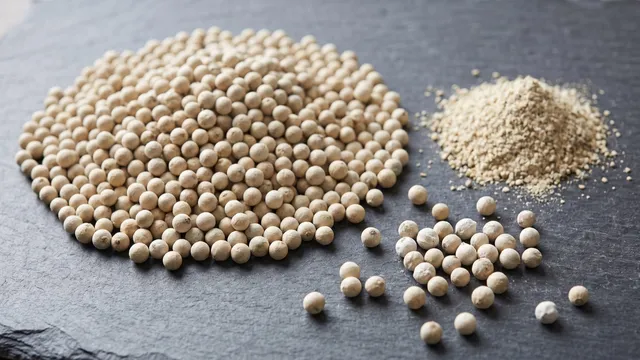
White Pepper Sourcing: Ceylon vs Sarawak vs Indonesian Quality and Spec Trade-Offs
White pepper sourcing compared across Ceylon, Sarawak and Muntok on spec, price and microbial risk. ISO sets piperine at 4.0% minimum; ESA caps moisture at 12%.
Read article →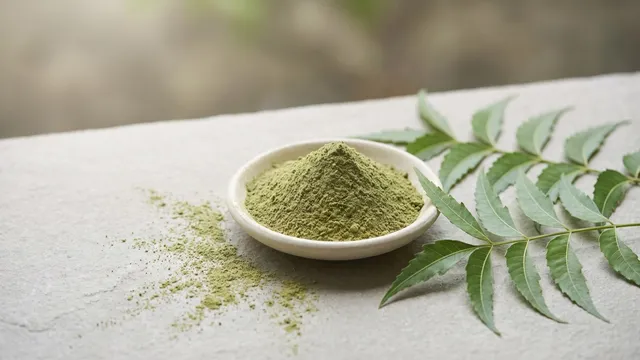
Margosa (Neem) Powder for Skin-Claim and Oral-Care Nutraceutical SKUs
Margosa (neem) leaf powder spec for skin-claim and oral-care SKUs: EU banned kernel extract from 1 December 2023, leaf stays permitted. 50 kg MOQ per SKU.
Read article →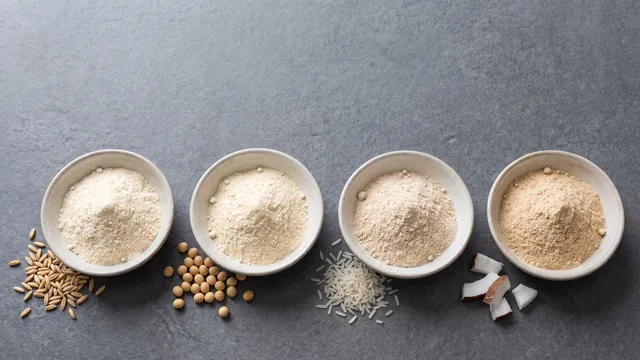
Spray-Dried Plant Milk Powder: Oat, Soy, Rice, Coconut Compared
Oat, soy, rice and coconut milk powders compared on protein, carrier load, reconstitution and contaminant limits. Soy leads protein at 2.82 g per 100 g.
Read article →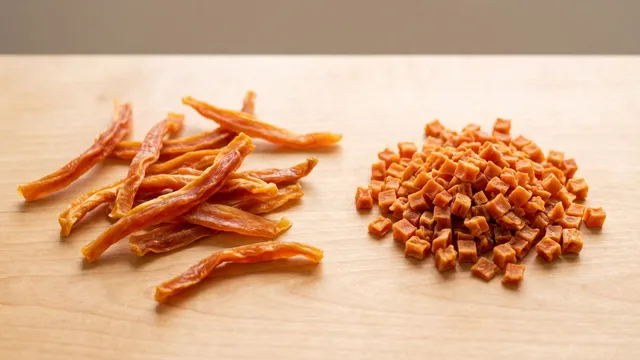
Papaya Strip and Dehydrated Papaya Tea-Bag Cut: Format Selection for Blends and Snacks
Papaya strip and dehydrated tea-bag cut compared on dimension, moisture, and water activity (typically 0.5 to 0.6) for blend, tea, and snack bar buyers.
Read article →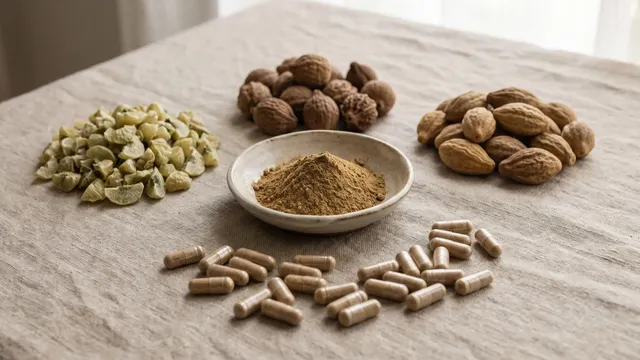
Triphala Capsule Formulation: Three-Fruit Ratio, Particle Size, and Ayurvedic Monograph Alignment
Triphala capsule spec: the 1:1:1 three-fruit ratio, particle size for fill uniformity, 21 CFR 111 identity testing, and a 180-bottle MOQ for US buyers.
Read article →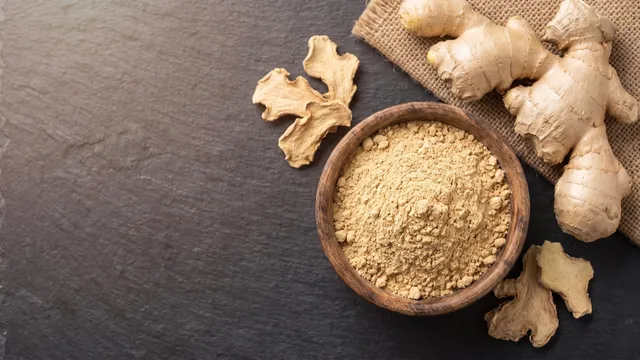
Ceylon Ginger Powder: Spec and Origin Guide for US Buyers
A spec-first guide to Ceylon ginger powder for beverage, bakery, and supplement buyers: gingerol, moisture, and oil targets, plus a 50 kg first-order MOQ.
Read article →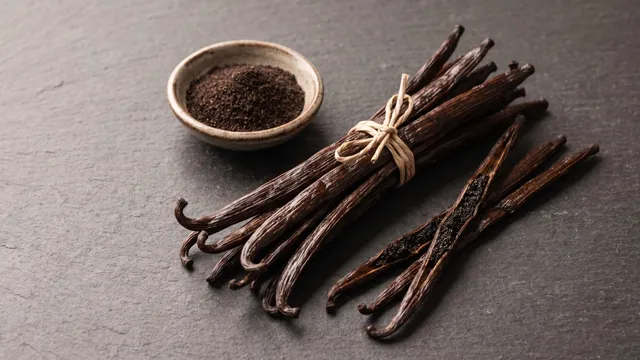
Vanilla Bean vs Powder: Madagascar vs Ceylon for Bakery Buyers
Madagascar supplies 80%+ of world vanilla near $200/kg; Ceylon vanilla is an emerging Matale-grown origin. A sourcing and formulation guide for bakery buyers.
Read article →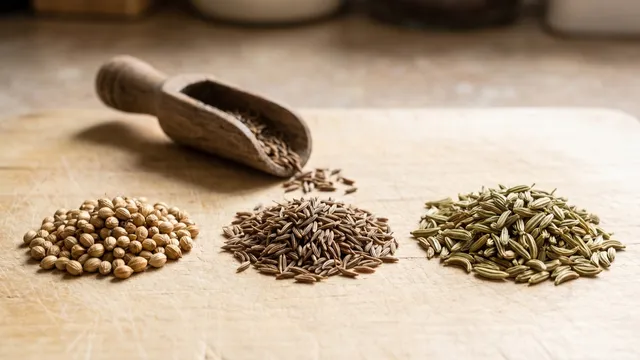
Coriander, Cumin, and Fennel: Blend Formulation and MRL Discipline for Export Curry Blends
How to formulate coriander, cumin, and fennel curry blends to the EU's 0.01 to 0.02 mg/kg MRL ceiling, with BRCGS and FSSC 22000 V6 intake discipline.
Read article →
Vegan Cashew Cheese Glass-Jar Contract Manufacturing: Format and Shelf-Stability
Private-label vegan cashew cheese in glass jars: how format and fermentation move chilled shelf-life from 7 to 21 days, at a 1,500-jar MOQ per SKU.
Read article →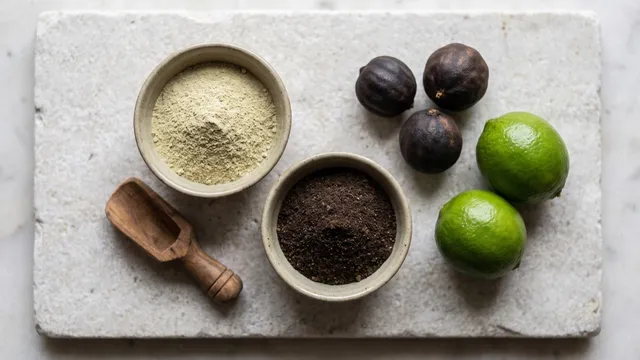
Lime and Black Lime Powder: Souring Agent and Beverage Base Spec
Lime and black lime (loomi) powder as souring agents and beverage bases: lime juice carries 45.8 g/L citric acid. Spray vs freeze-dried specs, USA and EU.
Read article →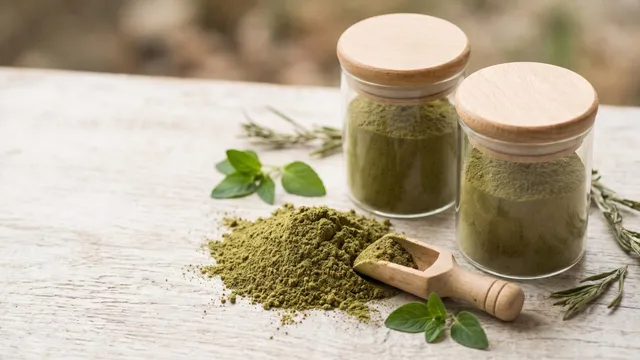
Heenbovitiya Powder for Inflammation-Claim Nutraceutical SKUs
Heenbovitiya (Osbeckia octandra) powder spec for wellness brands: species verification, the preclinical evidence, US and EU claim limits, and a 50 kg MOQ.
Read article →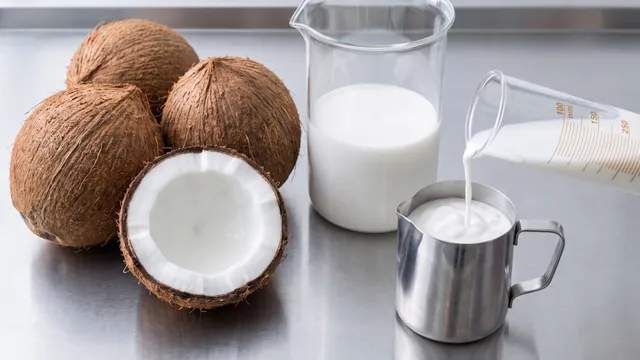
Coconut Milk Fat Formats: Reconstitution Math and Applications
Coconut milk liquid ships in 7%, 11%, 17%, and 18% fat formats, MOQ from 1 metric tonne per SKU. See the reconstitution math and application matrix for buyers.
Read article →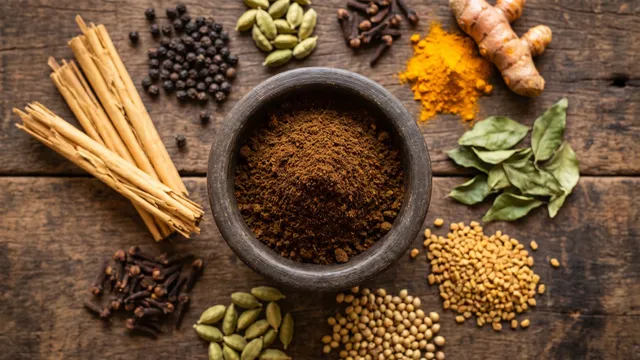
Curry Powder Formulation for Private-Label Retail: Ceylon Blends and Their MRL Ceiling
Ceylon curry powder for private-label retail: how the EU 0.1 mg/kg ethylene-oxide ceiling and pesticide MRLs decide a compliant, RFQ-ready blend spec.
Read article →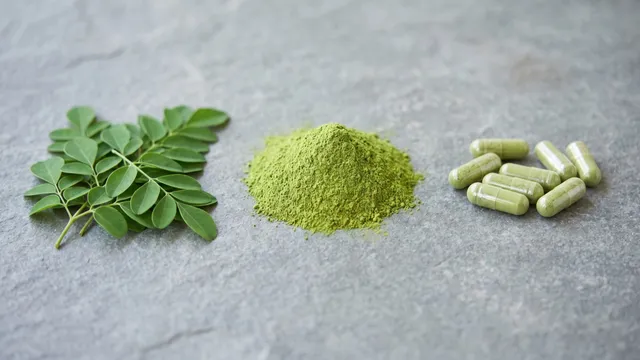
Moringa Capsule Formulation: Leaf vs Seed and the Protein-Claim Landscape
Moringa leaf runs about 26 percent protein, yet a 500 mg capsule carries under 0.3 g, far below any claim threshold. Spec the leaf, assay and claim.
Read article →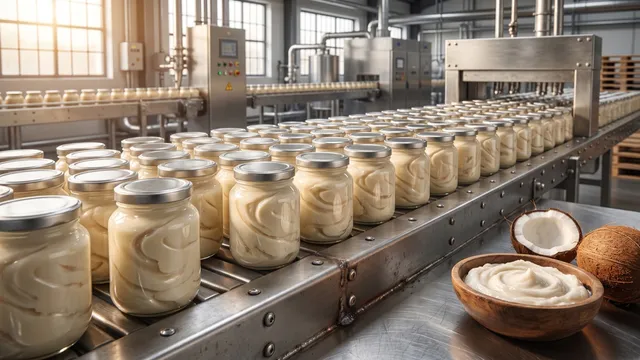
Coconut Spread Contract Manufacturing: Glass Jars & SKU Economics
Coconut spread glass-jar contract manufacturing: shelf-stable formulation, 3,000 jars/day capacity, and SKU economics for brands scaling to export volume.
Read article →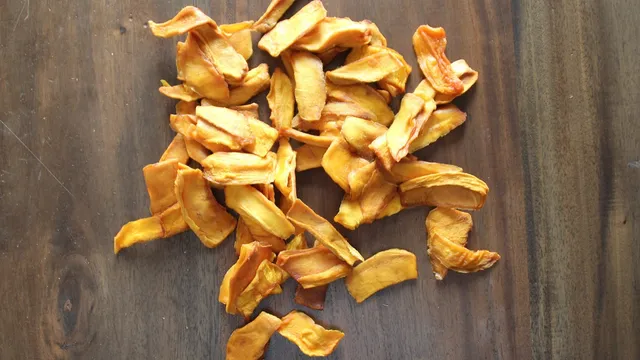
Dried Mango Formats: Tidbit, Tea-Bag-Cut and Strip for Bakery
Dried mango tidbit, tea-bag-cut and strip formats for bakery and snack inclusions: cut sizes, SO2 and sugar label rules, and a 50 kg per SKU sourcing spec.
Read article →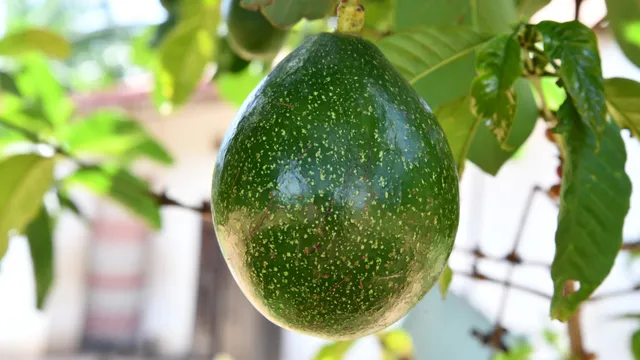
Avocado Powder for Nutritional Bars and Smoothie Premixes: Spec and Color Stability
Avocado powder browns from polyphenol oxidase and its fat oxidizes. A sourcing spec on moisture, carrier ratio and color stability for bar and premix brands.
Read article →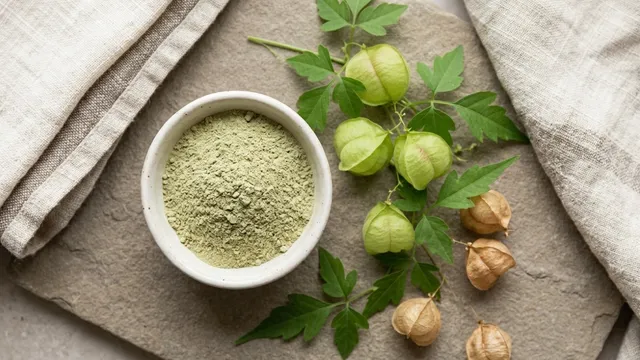
Welpenela (Love-in-a-Puff) Powder: A Sourcing Spec for Skin-Claim and Adaptogen SKUs
Welpenela (Cardiospermum halicacabum) powder sourcing spec: actives, skin-conditioning evidence, EU and US claim limits, and RFQ parameters. Bulk MOQ 50 kg.
Read article →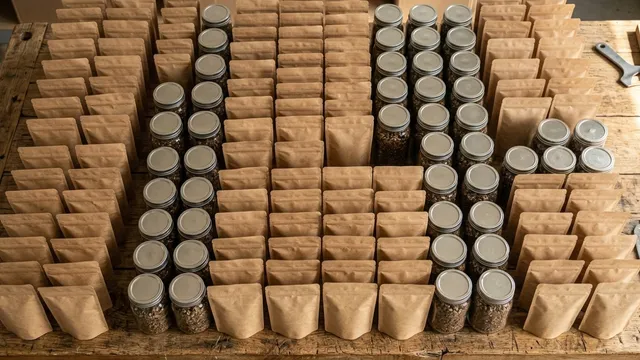
Working with Low-MOQ Contract Manufacturers: When It's Worth It and When It Isn't
Low-MOQ contract manufacturing starts at 180 bottles or 50 kg per SKU: a market test that protects cash. When that premium is worth it, and when it isn't.
Read article →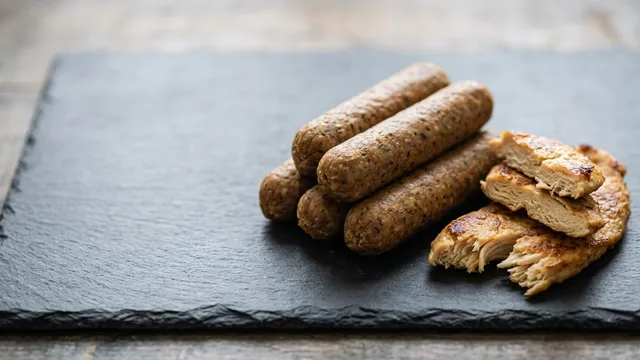
Vegan Sausage and Chicken-Alternative Contract Manufacturing: Format and Freezer-Pack MOQ
Vegan sausage and chicken-alternative contract manufacturing in Sri Lanka: frozen and retort formats, a 5,000-unit first-run MOQ, dual-cert co-pack.
Read article →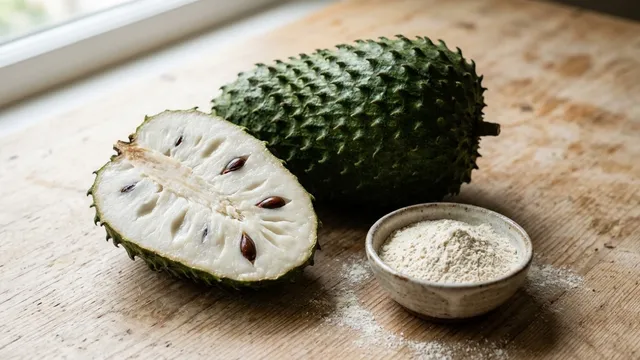
Soursop Powder for Beverage and Ice Cream: A Sourcing Spec
Soursop (graviola) powder for beverage and ice cream: spray-dried vs freeze-dried spec, the seeds-vs-pulp annonacin question, and a 50 kg-MOQ supplier spec.
Read article →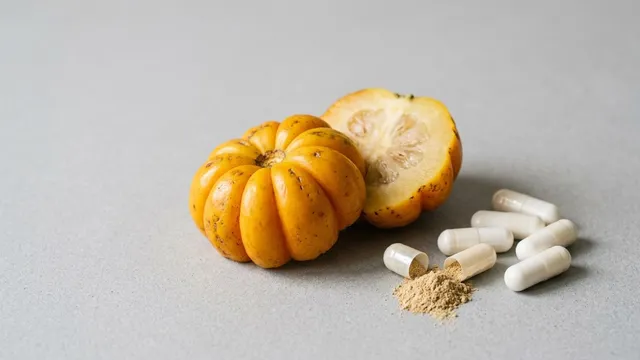
Garcinia Capsule Formulation: HCA Assay and the Weight-Management Claim Landscape
A Garcinia capsule lives or dies on one number: total HCA by HPLC. Commercial extract runs 50 to 60 percent. Spec the assay, claim and safety file.
Read article →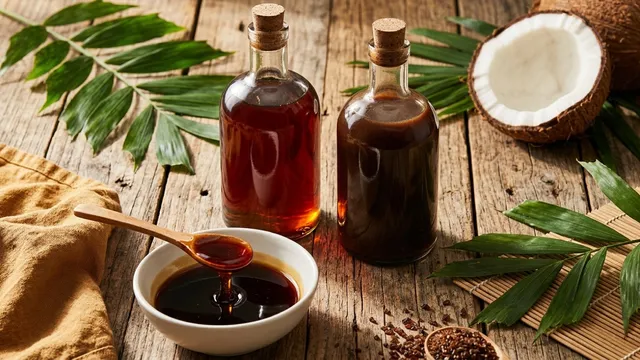
Coconut Treacle vs Kithul Treacle: Glass-Bottle Retail SKUs and Ingredient-Supply Specs
Kithul treacle tests at GI 28 to 35 across two peer-reviewed studies; coconut treacle's GI 35 rests on one. A B2B sourcing spec for glass-bottle palm syrups.
Read article →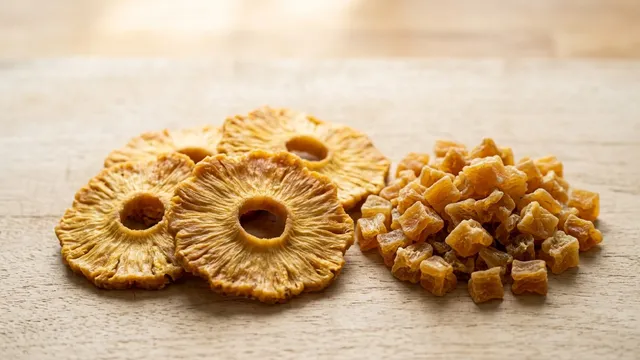
Pineapple Rings, Tidbits, Tea-Bag-Cut and Strip Formats: Format Selection for Snack and Bakery
Dried pineapple ships as rings, tidbits, tea-bag-cut or strips. Match the cut to snack and bakery use, and specify sulphur dioxide and water activity.
Read article →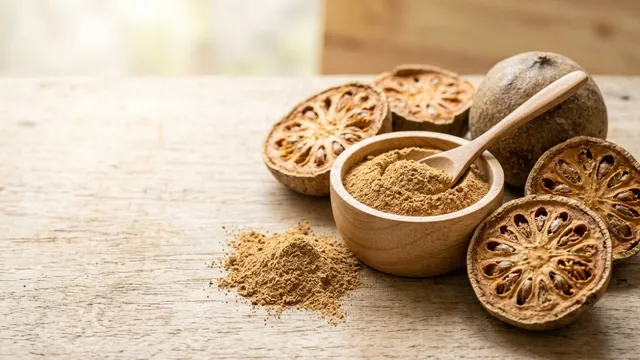
Beli (Bael) Powder for Digestive-Claim Nutraceutical SKUs
A sourcing spec for beli (Aegle marmelos) powder in digestive SKUs: actives, ripe-vs-unripe choice, the aegeline NDI trap, and a 50 kg MOQ.
Read article →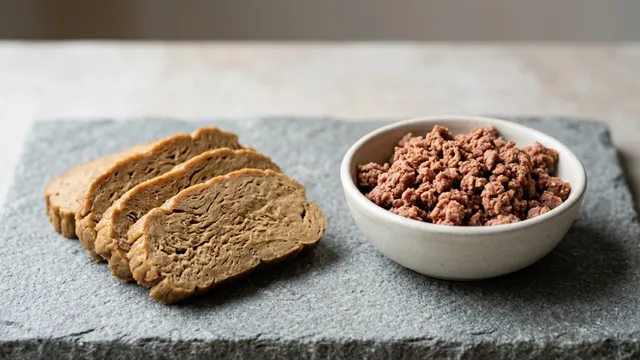
Plant-Based Seitan and Pre-Minced Mix Co-Manufacturing: Format, MOQ, and Freezer Logistics
Silk Foods Ceylon co-manufactures frozen seitan and pre-minced plant-based mix under FSSC 22000 V6, from 5,000 units per SKU, shipped in reefer at minus 18C.
Read article →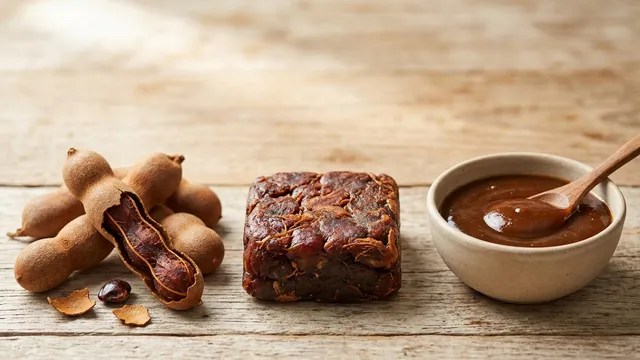
Tamarind Paste, Seedless, and With-Seeds: Format Selection for Sauce and Chutney Formulators
Tamarind concentrate runs 65 Brix and 9% tartaric acid minimum (IS 5955). Compare with-seeds, seedless block and paste formats for sauce and chutney.
Read article →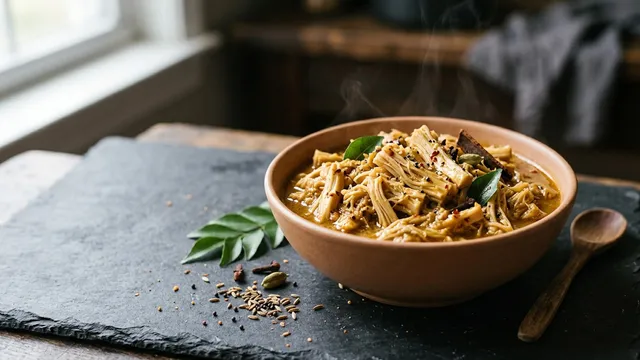
Tender Jackfruit Curry, Smokey BBQ, Teriyaki, and Tomato-Basil Retort SKUs: Capability and MOQ
Tender jackfruit curry, smokey BBQ, teriyaki and tomato-basil retort SKUs from Sri Lanka, dual-cert (BRCGS, FSSC 22000 V6), at a 1,500-jar per-flavour MOQ.
Read article →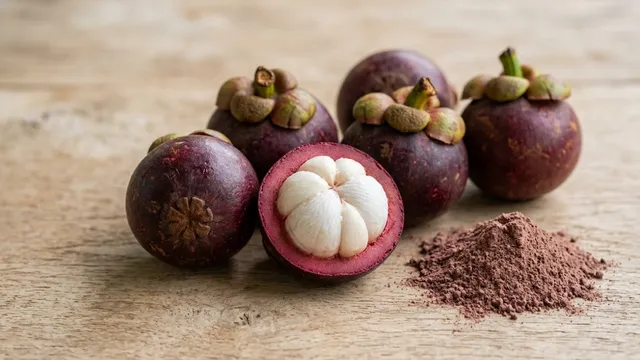
Mangosteen Powder for Premium Retail: Xanthone Spec and Antioxidant-Claim Framing
Mangosteen's xanthones sit in the rind, not the aril, and 'high in antioxidants' lost its footing after USDA pulled ORAC in 2012. A B2B spec and claim guide.
Read article →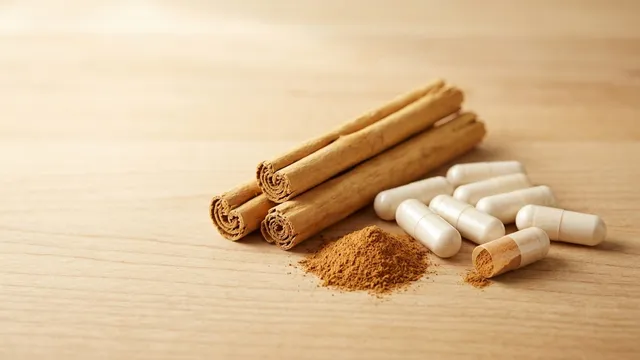
Cinnamon Capsules for Blood-Sugar-Claim SKUs: Spec and Cinnamomum verum Sourcing Discipline
Cassia carries up to 100x more coumarin than true Ceylon cinnamon. For a daily blood-sugar capsule, species and per-batch lead spec decide the label risk.
Read article →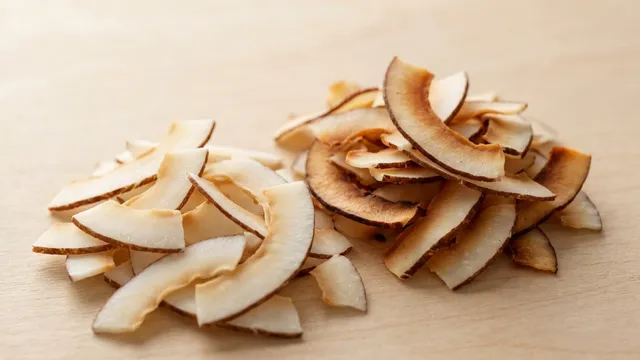
Coconut Chips Flavor Formats: A Sourcing Spec for Snack Brands
Coconut chips in nine flavor formats: spec, acrylamide and sugar trade-offs, and private-label MOQ from a BRCGS and FSSC 22000 V6 Matale facility.
Read article →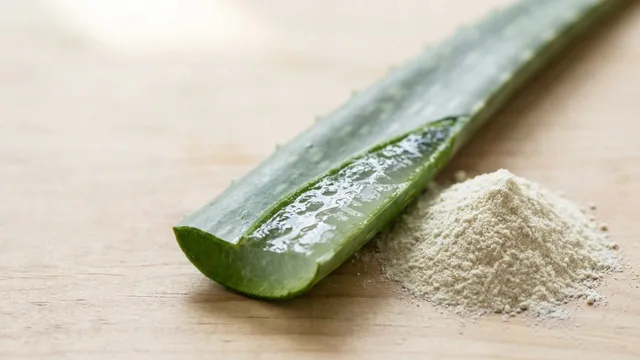
Aloe Vera Powder vs Cube vs Gel: Format Selection for Beverage and Capsule Formulators
Decolorized aloe vera powder (200:1) carries under 10 ppm aloin versus 10,000+ ppm in raw whole-leaf juice. Compare powder, cube, and gel for formulators.
Read article →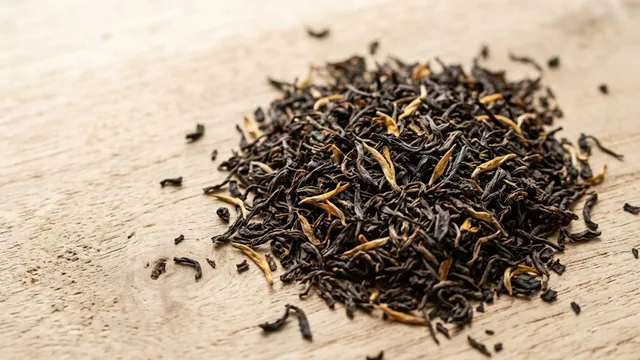
Ceylon BOP and FBOP Tea Grades: A Procurement Primer for the Private-Label Retail Buyer
Ceylon BOP and FBOP tea grades for private-label buyers: leaf size sets brew strength, the Colombo auction hit USD 4.08/kg in 2024, plus how to spec your RFQ.
Read article →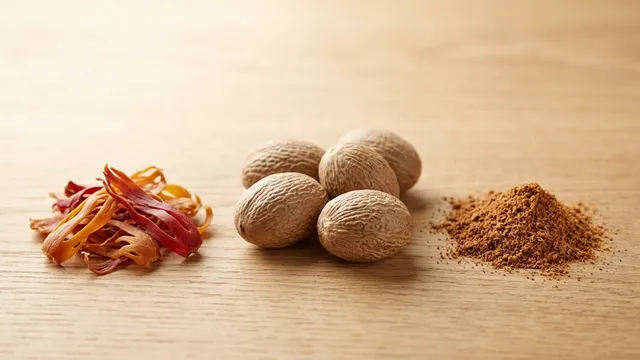
Nutmeg Whole, Powder, and Tea Cut: Bakery and Beverage Spec
Nutmeg sourcing spec for bakery and beverage formulators: whole, powder, and tea-bag cut, with volatile oil at 4.6 to 12 ml/100g and a 50 kg MOQ per format.
Read article →
Vegan Kombucha Co-Packing in Sri Lanka: Format, MOQ, and Shelf Life
Co-packing vegan kombucha in Sri Lanka: raw-live vs pasteurized, the 0.5% ABV line, shelf life, and glass-bottle MOQ from a dual-certified facility.
Read article →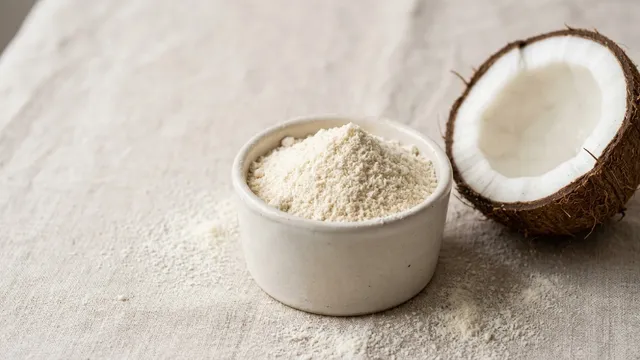
Coconut Flour for Gluten-Free Bakery Formulators: Spec, Fat-Loss, and Substitution Ratios
Coconut flour holds about 7g of water per gram and runs 46-60% dietary fibre. A B2B sourcing spec on residual fat, substitution ratios, and gluten-free claims.
Read article →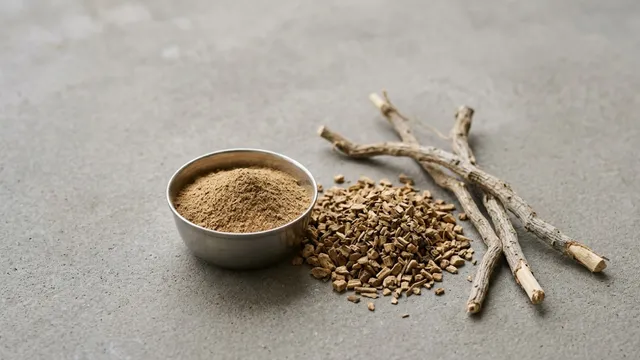
Sarsaparilla (Iramusu) Powder and Tea Cut: A B2B Sourcing Spec
Sarsaparilla (iramusu) sourcing spec: why Hemidesmus indicus differs from true sarsaparilla, powder and tea cut grades, contaminant limits, and a 50 kg MOQ.
Read article →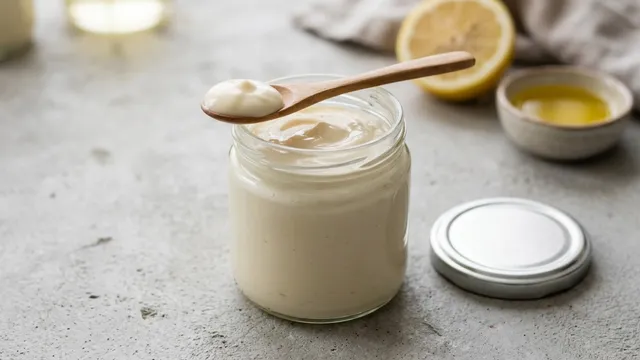
Vegan Mayonnaise Contract Manufacturing: Shelf-Stable Glass Jars
Shelf-stable vegan mayo contract manufacturing in glass jars: an equilibrium pH at or below 4.6 removes the cold chain, with a 1,500-jar MOQ from Sri Lanka.
Read article →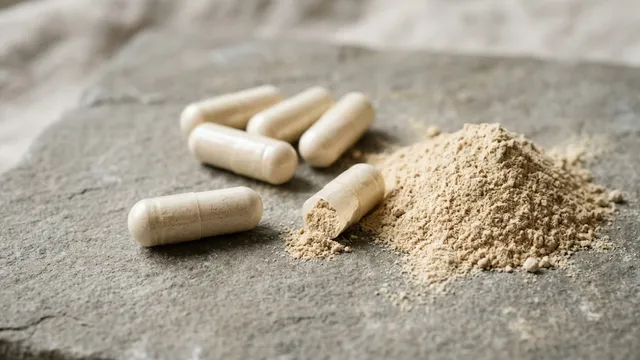
Ashwagandha Capsules: Withanolide Assay, KSM-66 Alternatives, Dosage
Ashwagandha capsule spec: USP sets root extract at not less than 2.5% withanolides, plus KSM-66 alternatives, dosage, assay methods, and a 180-bottle MOQ.
Read article →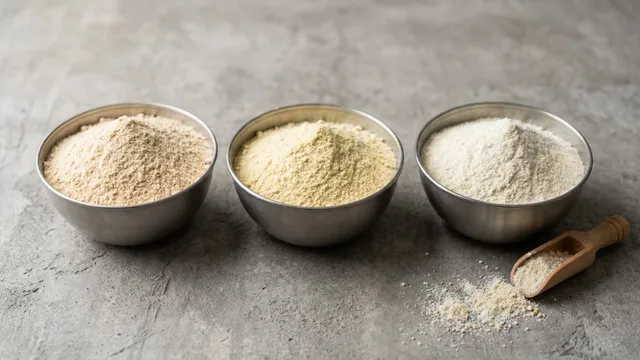
Oat vs Soy vs Rice Milk Powder: Sourcing for Global Distribution
Oat vs soy vs rice milk powder for global distribution: soy carries 3.3 g protein per 100 ml, plus spray-drying specs, label rules, and MOQ from Sri Lanka.
Read article →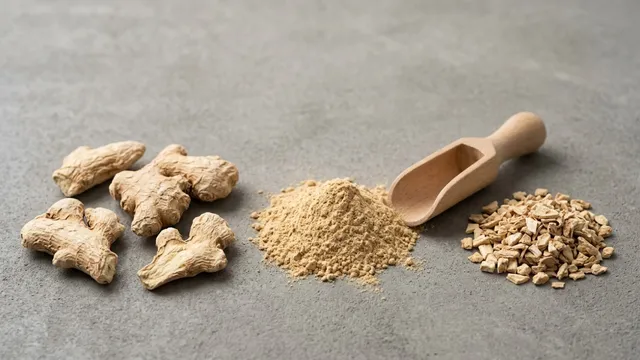
Dried Ginger Formats: Whole, Powder, Tea Cut, Pyramid, Kibbled
Dried ginger sourcing spec: ISO 1003:2025 fixes volatile oil at 1.5 ml/100g, with whole, powder, tea cut, pyramid, and kibbled formats and a 50 kg MOQ.
Read article →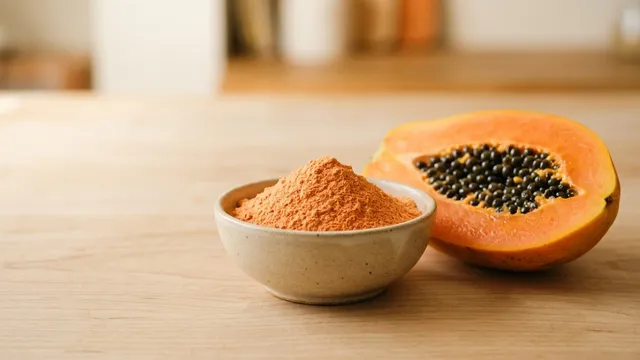
Papaya Powder and Papaya Seed Powder: Enzyme Claims and Sourcing Spec
Papaya powder sourcing spec: spray drying at 120 to 190C kills most papain, how fruit, green, seed, and leaf powders differ, and a 50 kg MOQ from Sri Lanka.
Read article →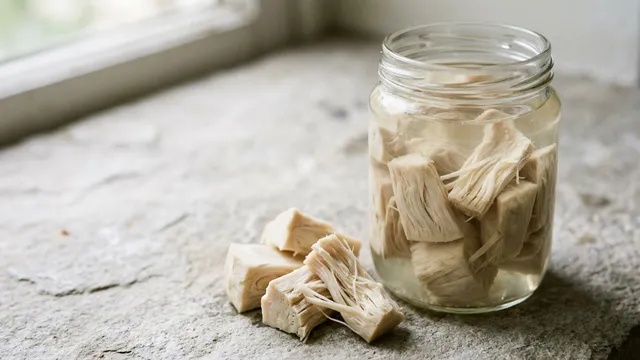
Jackfruit in Brine: Retort Glass-Jar Formats for Plant-Meat SKUs
Young jackfruit is low-acid, so a brine SKU needs retort processing for a 24-month ambient shelf life. Match chunk, pulled, and minced cuts to plant-meat SKUs.
Read article →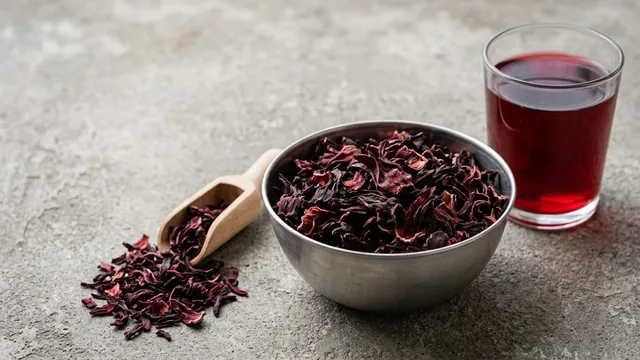
Hibiscus Cut Grades for Tea Blending and Beverage Formulators
Roselle calyces run 21 to 36 g malic acid per 100 g dry weight; spec the cut size, anthocyanin colour, and acidity to control your hibiscus tea blend.
Read article →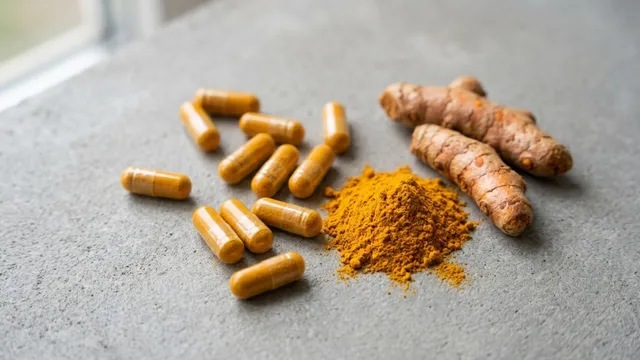
Turmeric Capsule Formulation: Curcumin Assay and Piperine Pairing
A 500 mg powder capsule holds about 10-25 mg curcuminoids; a 95% extract holds about 475 mg. Spec the HPLC assay and the piperine route to your label claim.
Read article →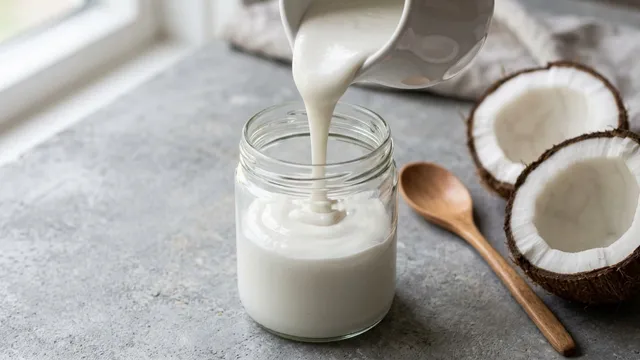
Coconut Cream 22% vs 24% Fat: The Glass-Jar SKU Economics
Moving coconut cream from 22% to 24% fat is roughly 9% more coconut fat per jar. Spec the fat tier, retort process, and glass-jar stability before artwork.
Read article →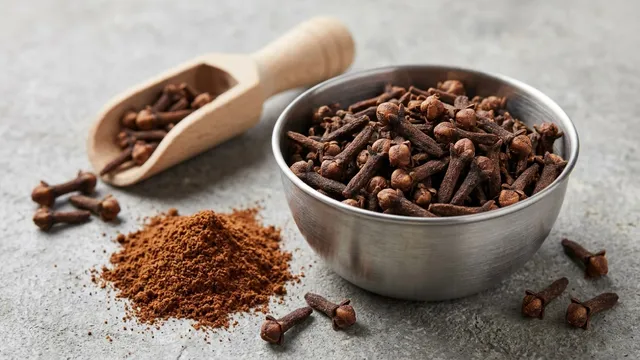
Ceylon Cloves: Whole, Powder, Tea Cut, or Pyramid Cut for Formulators
Ceylon clove format spec: whole bud holds 15 to 20 percent volatile oil. Pick whole, powder, tea cut or pyramid cut by application and shelf life.
Read article →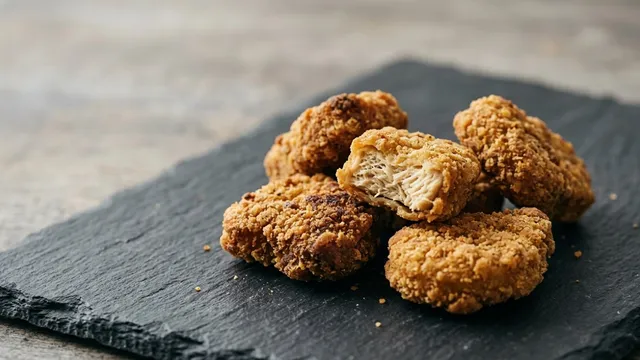
Vegan Nugget Contract Manufacturing: 30,000 Units a Day, Dual-Cert Co-Pack
Vegan nugget contract manufacturing in Sri Lanka: 30,000 units a day, dual BRCGS and FSSC 22000 V6 certification, and a 5,000-unit first-run MOQ.
Read article →
Gymnema Sylvestre (Gurmar): A Sourcing Spec for Blood-Sugar SKUs
Gymnema sylvestre (gurmar) spec for blood-sugar SKUs: gymnemic-acid grades (25 vs 75 percent), the 2024 clinical evidence, and a 50 kg MOQ.
Read article →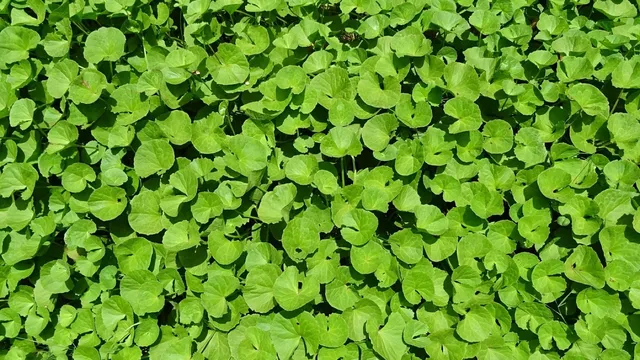
Gotukola Powder for Cognitive Nutraceutical SKUs - Spec and Evidence
Gotukola (Centella asiatica) for cognitive supplements: triterpene spec, the honest clinical evidence, heavy-metal limits, and a 50 kg-MOQ Matale supplier.
Read article →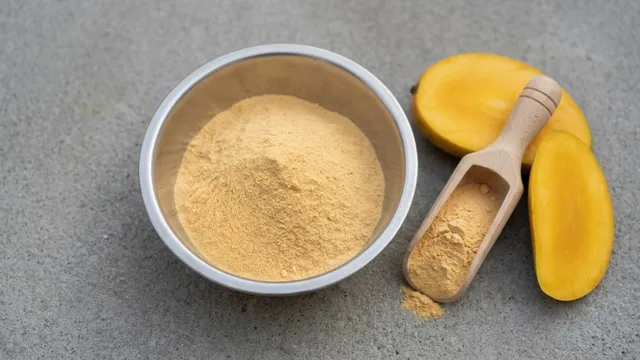
Mango Powder for Bars, Smoothies, and Snacks: A Sourcing Spec
Spray-dried and freeze-dried mango powder are different ingredients. Compare vitamin C retention, a maltodextrin carrier, and a 50 kg-MOQ Matale supplier spec.
Read article →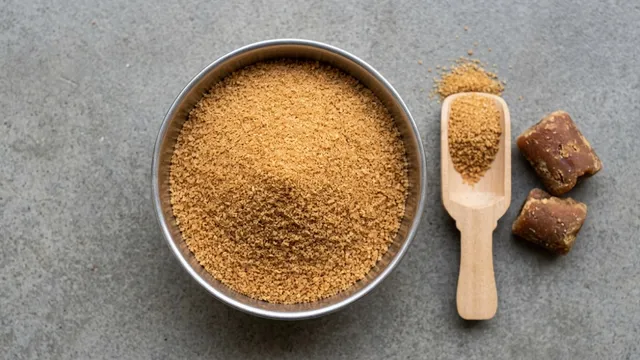
Coconut Sugar GI Claims and Sourcing - Retail Story vs RM Reality
Coconut sugar's famous GI of 35 rests on one 10-subject study; the University of Sydney measured 54. A B2B guide to spec, authenticity, and bulk supply.
Read article →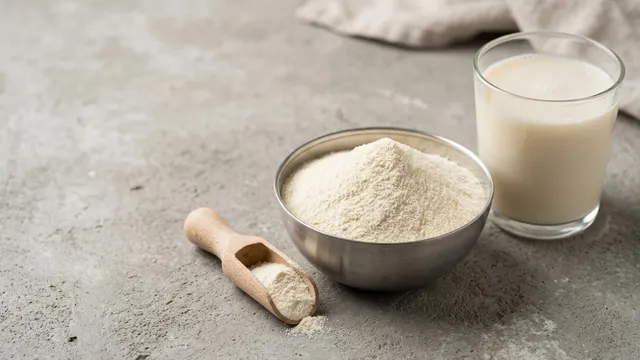
Spray-Dried Plant Milk Powder for Global Distribution
Spray-dried oat, soy, rice, and coconut milk powder spec for global CPG export: mesh, dispersibility, water activity near 0.2, and the cold-chain math.
Read article →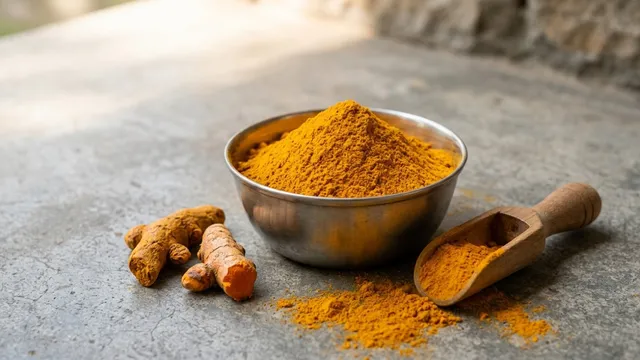
Turmeric Curcuminoid Spec - Matching Origin to Label Claim
Dried turmeric carries 2-5% curcuminoids; a 95% extract is a different product. Spec the assay, HPLC method, and lead limit to match your label claim.
Read article →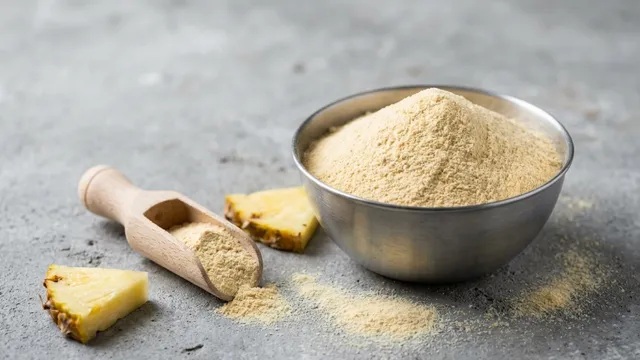
Pineapple Powder for Beverage and Bakery - Spray-Dried vs Freeze-Dried
Spray-dried and freeze-dried pineapple powder are two ingredients, not one. Compare carrier load, bromelain, cost, and a 50 kg-MOQ Matale supplier spec.
Read article →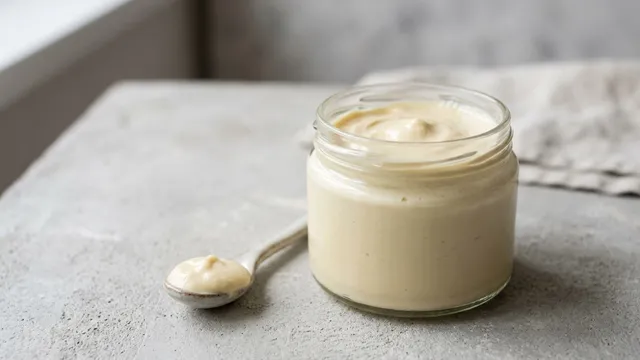
Vegan Cheese Spread Contract Manufacturing - Retort, Shelf Life, MOQ
Silk Foods Ceylon contract-manufactures retort vegan cheese spread in glass jars at 3,000 jars/day, 1,500-jar MOQ, under BRCGS and FSSC 22000 V6 in Matale.
Read article →
Triphala Formulation for Adaptogen Blends - Ratios, Particle Size, and Clean-Label Claims
The adaptogens market reached USD 11.92 billion in 2025. A B2B formulator's guide to Triphala ratios, particle size, mesh, and defensible clean-label cla
Read article →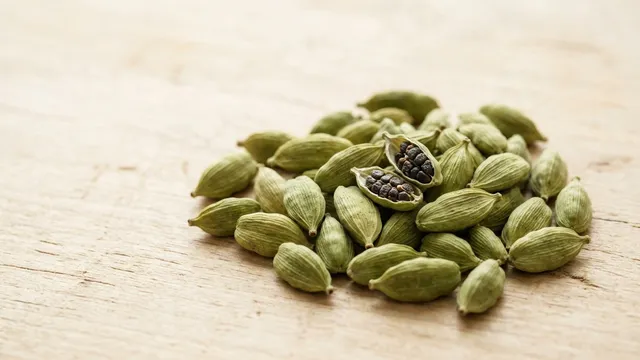
Cardamom Grading for B2B Buyers - AGEB, Bold, Supreme, and Price Tiers
Cardamom grades like AGEB, Bold and Supreme map to pod size, colour and volatile oil (top export lots run 4%+). How B2B buyers should spec and price each tier
Read article →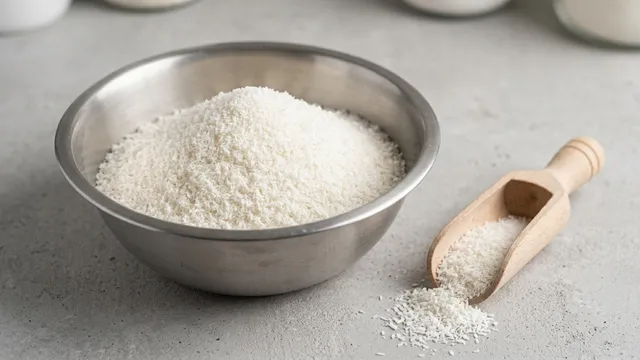
Desiccated Coconut Grade Selection for Bakery and Confectionery
Codex defines three desiccated coconut grades by sieve size. A B2B sourcing spec primer on particle size, moisture, 60-65% fat, and microbial limits for baker
Read article →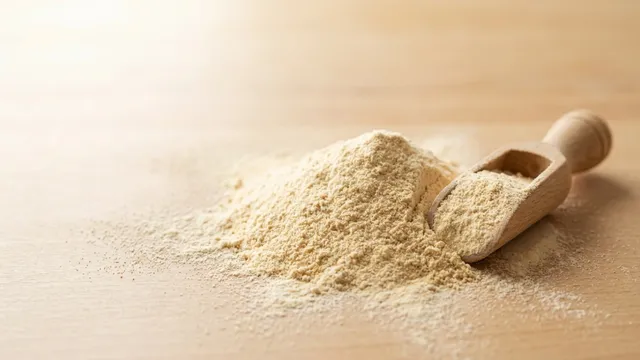
Banana Powder for CPG - Drying Method, Particle Size, and Shelf Life
Banana powder for CPG: how drying method sets particle size, why water activity under 0.3 drives a 12-month shelf life, and how to spec it in a bulk RFQ.
Read article →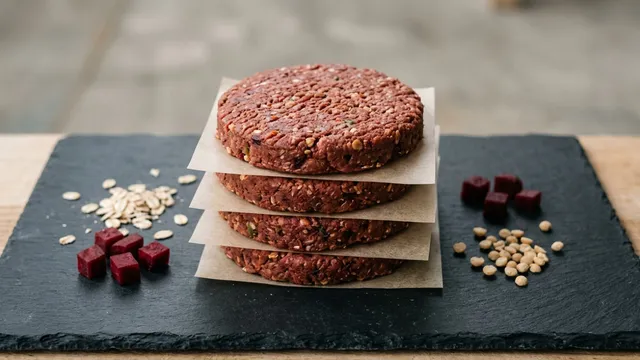
Plant-Based Patty Contract Manufacturer
Silk Foods Ceylon contract-manufactures plant-based patties at 15,000 units a day under BRCGS and FSSC 22000 V6, with a 5,000-unit first-run MOQ for CPG brand
Read article →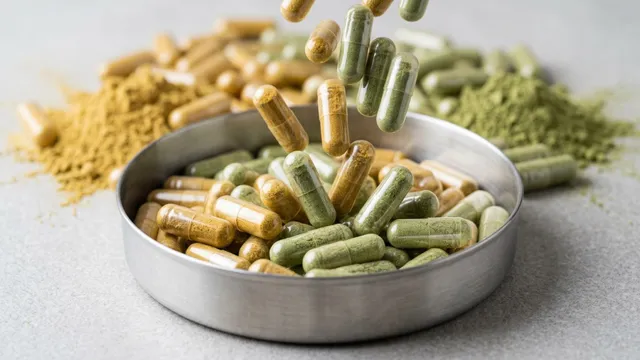
Capsule Contract Manufacturing MOQ - When 180 Bottles Makes Sense
Most capsule contract manufacturers quote 2,500 to 5,000 bottles. Silk Foods Ceylon sets 180. The MOQ math, the trade-offs, and when it makes sense.
Read article →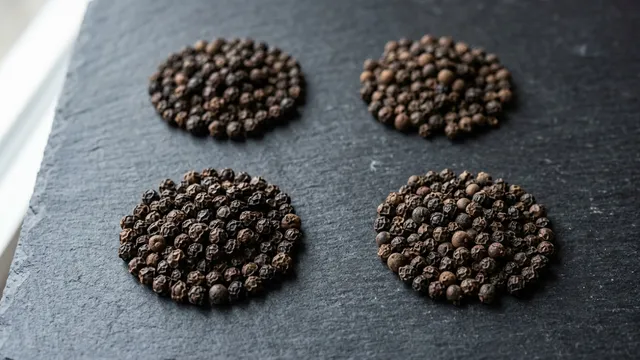
Black Pepper Origin Comparison - Ceylon Vietnam India Indonesia
For a 2026 specialty spice brand sourcing whole or ground black pepper into the EU, US, or AU, the four origins on most procurement shortlists are Vietnam, In
Read article →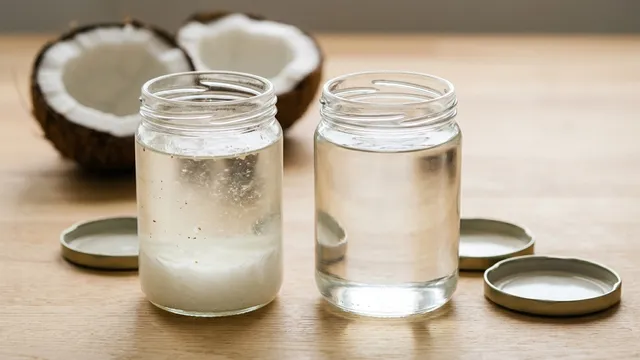
Virgin Coconut Oil vs RBD Oil for Ingredient Applications
Virgin and RBD coconut oil are not interchangeable in a formulation. How flavour, smoke point and processing decide which one your application needs.
Read article →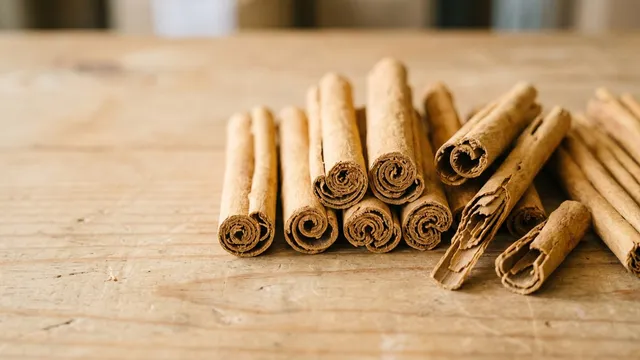
Specifying Cinnamomum verum on a Sourcing RFQ for Ceylon Cinnamon
Sri Lanka ships roughly 19,600 tonnes of cinnamon a year and dominates true Ceylon supply. How to specify Cinnamomum verum correctly on a sourcing RFQ.
Read article →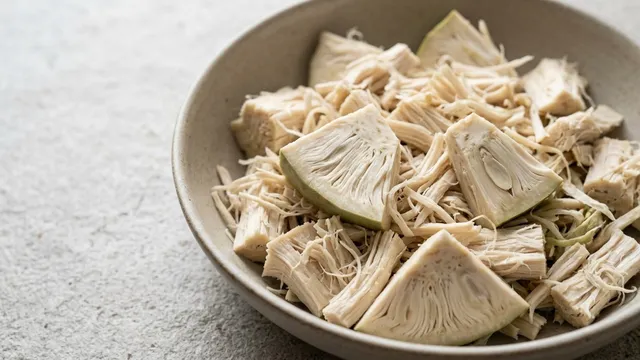
Jackfruit-in-Brine and Tender Jackfruit Curry SKUs
Young jackfruit is a textural meat analogue, not a protein source, at roughly 1.5 g protein per 100 g. Spec and MOQ guide for brine and curry SKUs.
Read article → Dehydrated Fruits from Sri Lanka
Dehydrated fruit spec and shelf-life math for snack and bakery buyers: moisture, water activity (target aw 0.65), sulfite limits, and cut formats.
Read article →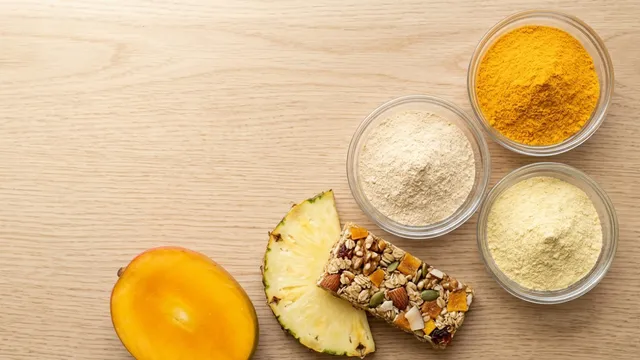
Fruit Powders and Bars from Sri Lanka
Fruit Powders and Bars from Sri Lanka: A B2B Sourcing Reference for Nutraceutical, Bakery, and Beverage R&D
Read article →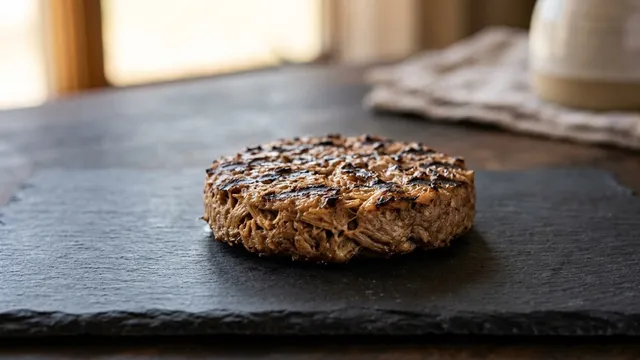
Plant-Based and Functional Food Contract Manufacturing in Sri Lanka
Plant-based and functional food co-manufacturing in Sri Lanka: frozen and retort formats, the certification stack, labelling rules, MOQ and lead times.
Read article →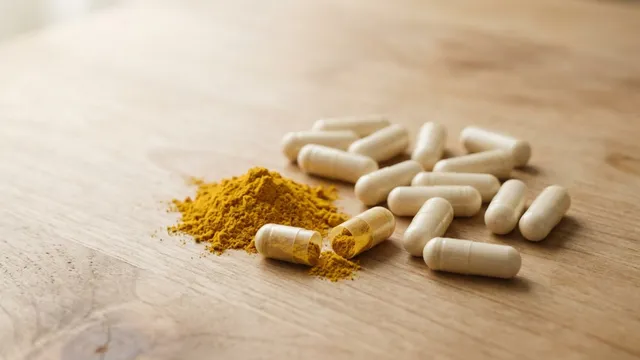
Herbal Supplement Capsules From Sri Lanka
Herbal supplement capsules from Sri Lanka: a wellness-brand buyer's guide to spec, MOQ, and the 180-bottle threshold
Read article →
EU Organic, USDA & beyond: a buyer's guide to certifications
What the certifications on a spec sheet actually mean, and why documented, certified sourcing de-risks your supply chain.
Read article →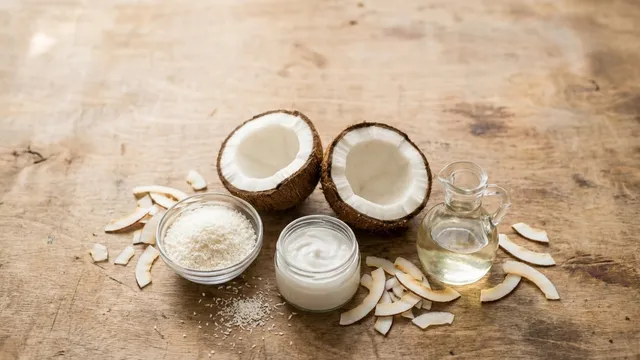
Coconut Sourcing and Contract Manufacturing in Sri Lanka
Sri Lanka's coconut exports reached USD 1.03 billion in the first ten months of 2025. A B2B guide to sourcing and contract manufacturing coconut formats.
Read article →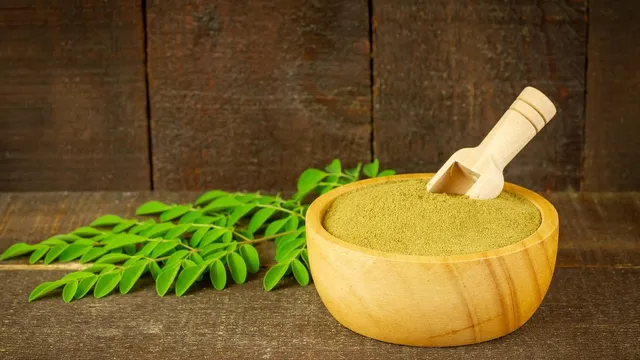
Sourcing Functional Herbs and Ayurvedic Botanicals from Sri Lanka
A B2B sourcing guide to Ceylon herbs and Ayurvedic botanicals: species verification, heavy-metals testing, EU Novel Food and US NDI status, and MOQ economics.
Read article →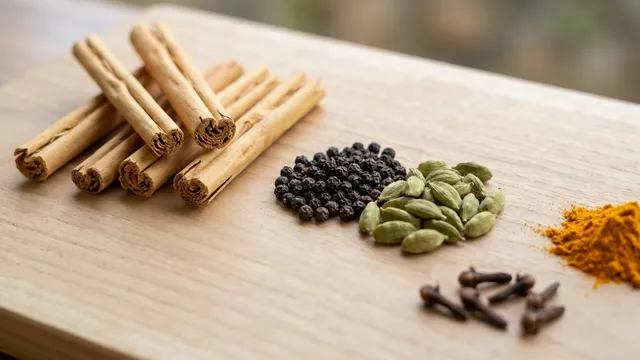
The B2B Buyers Guide to Ceylon Spices in 2026
Cinnamon carried more than 60% of Sri Lanka's USD 450M spice trade in 2025. A B2B buyer's guide to sourcing Ceylon spices, specs and certifications.
Read article →
R&D and NPD at Silk Foods Ceylon
Roughly 80% of under-prepared CPG launches fail in year one. How R&D and NPD at Silk Foods Ceylon de-risks a product before it reaches the shelf.
Read article →
Total OBM at Silk Foods Ceylon
Total OBM covers formulation, packaging, certification and export under your own brand. What it includes at Silk Foods Ceylon, plus MOQ and lead times.
Read article →
The Silk Route Ventures Ingredient Supply Playbook
How Silk Route Ventures supplies certified-organic bulk raw material to global B2B buyers: the certification stack, MOQ economics, and dispatch timelines.
Read article →
Ashwagandha Root vs Leaf for Capsule Formulators
Why ashwagandha clinical evidence uses root not leaf, how EU posture tightened from 2024, and an 8-point root-only spec for capsule formulators.
Read article →
Coconut Milk Powder Fat Percentage Guide for CPG R&D
High-fat (65 to 70%) and low-fat (25 to 30%) coconut milk powder fit different CPG applications. Spec, fat-carrier choices, and spray-dry capacity in Matale.
Read article →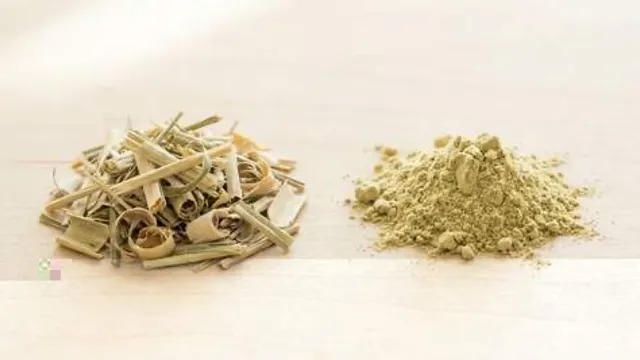
Sourcing Lemongrass Powder from Sri Lanka
A lemongrass powder sourcing primer for tea and nutraceutical buyers: citral 65 to 85%, MRL math, and FSSC 22000 V6 audited supply from Matale.
Read article →Ceylon Cinnamon vs Vietnamese Cassia
True Ceylon cinnamon and cassia differ sharply in coumarin content, and that gap drives spec, labelling and origin choices. A B2B sourcing comparison.
Read article →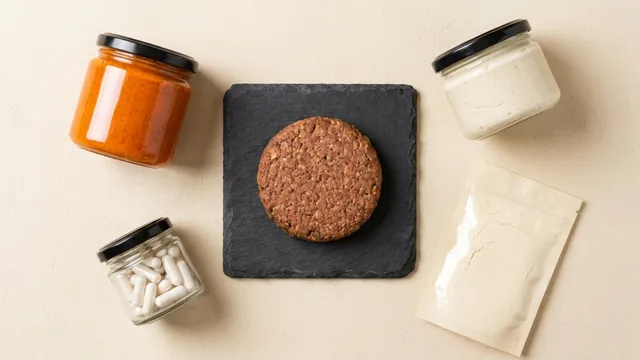
Contract Manufacturing
Silk Route Ventures contract-manufactures through its Silk Foods Ceylon plant in Matale across five service modes, from co-development to full OBM.
Read article →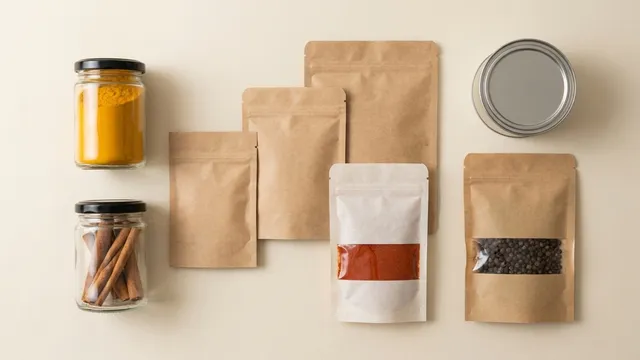
Private Labelling Spices
Private label spice manufacturing, from a brand owner's first SKU to a multi-format retail shelf programme. What to specify and what it costs.
Read article →