
Ashwagandha Root vs Leaf for Capsule Formulators
Buyer’s snapshot
- Ashwagandha root and leaf are different botanicals on a regulatory and clinical-evidence basis. Root contains higher Withanolide A; leaf contains higher Withaferin A. The 73 of 74 clinical trials in the Indian ICMR registry use root, not leaf.
- EU regulatory posture tightened sharply in 2024 to 2026. Denmark has banned ashwagandha in food supplements; the Netherlands and France have issued advisories; the EU Heads of Food Safety Agencies recommended Article 8 review in June 2024. Brands selling into Europe are switching to root-only spec.
- Australia and New Zealand classified ashwagandha root and root extract as a novel food in 2023, requiring an FSANZ application before food sale. The US FDA continues to regulate ashwagandha as a dietary supplement, though pressure is rising.
- Silk Route Ventures (SRV) ships ashwagandha root only (cut, powder, and standardized extracts) to capsule formulators globally. Encapsulation runs at the Silk Foods Ceylon (SFC) facility in Matale, under BRCGS and FSSC 22000 V6, USDA Organic and EU Organic per SKU, registered with the Sri Lanka Department of Ayurveda.
- Capsule MOQ at SFC is 180 bottles per single shift (industry-low). Bulk root MOQ for ingredient-supply customers is 50 kg per SKU. This post is for capsule formulators specifying ashwagandha for the first time or rebuilding a spec after the EU regulatory shift.
If a brand is sourcing ashwagandha for capsules in 2026 and the spec doesn’t explicitly say “root only,” that brand is taking on regulatory risk it probably hasn’t priced into the SKU. The EU regulatory frame moved materially in the last 18 months. Denmark has banned ashwagandha in food supplements outright. The European Commission has been asked to coordinate a formal safety assessment. The Dutch and French regulators have issued population-specific advisories.
None of this is hidden. It’s just buried in trade-press updates that procurement teams don’t always see until the wholesale-distributor email arrives asking why the EU listing got pulled. The cleanest way to stay ahead of it is to write the sourcing spec on the basis the regulators are most likely to keep allowing: ashwagandha root, not leaf, with quantified withanolide profile and traceable origin documentation.
This piece walks through the botanical and chemical difference between root and leaf, why nearly all clinical evidence uses root, what changed in 2024 to 2026 regulatory posture, the practical 8-point sourcing spec for capsule formulators, and where Silk Route Ventures sits as a root-only Sri Lankan supplier with low-MOQ capsule contract manufacturing.
What’s the difference between ashwagandha root and leaf?
Ashwagandha (Withania somnifera) is a small evergreen shrub native to South Asia, the Middle East, and parts of Africa. Both the root and the leaf contain a class of bioactive compounds called withanolides. The compounds are chemically related but not interchangeable, and that’s where the procurement decision sits.
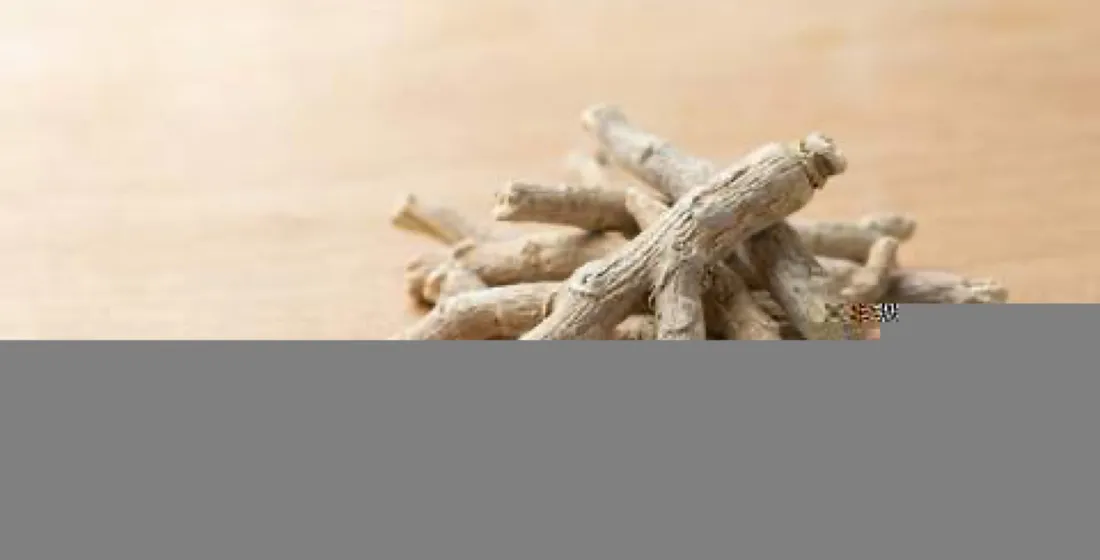
The root is a knotted, woody, tuberous structure typically 4 to 10cm long when dried, with a fibrous bark texture and light beige to pale gray-brown color. The leaf is smooth, oval, and green. The two parts of the plant differ on three procurement-relevant axes: the dominant withanolide species present, the historical clinical-evidence base, and the regulatory posture in destination markets.
| Parameter | Ashwagandha root (C. verum source) | Ashwagandha leaf |
|---|---|---|
| Plant part | Tuberous, knotted, woody root of Withania somnifera | Smooth, oval, green leaf of the same plant |
| Dominant withanolide | Withanolide A (well-tolerated, neuroprotective profile) | Withaferin A (potent; restricted in many supplement formulations) |
| Total withanolide range (typical) | 1.5% to 5% (extracts can be standardized to 8% or higher) | 1% to 8%, with much higher Withaferin A fraction |
| Clinical evidence base | 73 of 74 trials in the Clinical Trials Registry of India use root or root-based formulations | Limited; most clinical work is preclinical or topical |
| EU regulatory posture (2024 to 2026) | Increasing scrutiny but still permitted in most member states under traditional-use framework | Banned for food-supplement use in Denmark; restricted in NL, FR; prioritized for EFSA Article 8 review |
| FSANZ (Australia/NZ) status | Novel food (since 2023); requires safety-assessment application to sell as food | Same novel-food classification; same application requirement |
| Typical SRV-supplied form | Cut, powder, or whole root; standardized extracts on request | Not stocked; SRV ships root-only material to capsule formulators |
Sources: NIH NCCIH ashwagandha overview, 2024 update; NIH Office of Dietary Supplements ashwagandha factsheet for health professionals; EU Heads of Food Safety Agencies June 2024 working group communication; FSANZ novel food classification 2023; Clinical Trials Registry of India search of Withania somnifera trials.
The two rows that decide the procurement choice are the withanolide profile and the regulatory posture. Withaferin A in particular is a more potent compound that has come under scrutiny for safety in chronic dietary use, even though it shows interesting medicinal potential in research contexts. The leaf concentrates Withaferin A; the root largely does not. For a brand whose claim platform is daily-use stress or sleep support, that compound profile difference matters.
Why almost every ashwagandha clinical trial uses root
The clinical-evidence base for ashwagandha health claims sits almost entirely in root-based formulations. The Clinical Trials Registry of India lists 73 of 74 trials on ashwagandha using either whole root, root extract, or proprietary root-based formulations (KSM-66, Sensoril, and similar are all root-derived). The single trial using leaf material is preclinical or topical.
What that means for capsule formulators: any health claim a brand makes against ashwagandha is, with near-certainty, claimed against root data. A leaf-based product can’t honestly cite that body of evidence. From a label-claim defensibility standpoint, root is the safer ingredient even before the regulatory layer is added.
Spec snapshot: true root-only ashwagandha for capsule formulators Plant part: ashwagandha root only (no leaf, no whole-plant material). Botanical: Withania somnifera, verified per shipment via supplier declaration plus optional third-party assay. Withanolide content: typically 1.5% to 5% in cut/powder root; standardized extracts at 8% withanolides or higher on request. Origin: South Asian, with Sri Lankan-grown root preferred for traceability and Sri Lanka Department of Ayurveda regulatory backing. SRV SKU formats available: cut root, powder (various meshes), standardized extract, capsule-ready blend. Capsule MOQ at SFC: 180 bottles per single shift; 200,000 capsules/day at scale. Bulk root MOQ: 50 kg per SKU first order; volume tiers at 500, 1,000, 2,500 kg per SKU.
What changed in EU regulatory posture in 2024 to 2026
The European regulatory environment for ashwagandha shifted sharply in 2024. The proximate cause was a series of national-regulator actions that surfaced concerns the EFSA had not formally assessed but that the EU Heads of Food Safety Agencies (HoA) consolidated into a coordinated review request. The shift matters for any brand selling into Europe.
Denmark’s national regulator banned ashwagandha for food-supplement use entirely. The Netherlands issued an advisory against use in pregnant or breastfeeding individuals, and France similarly cautioned specific population groups. In June 2024, the HoA working group prioritized ashwagandha for an EU Article 8 procedure, citing potential effects on reproduction, thyroid hormones, acetylcholinesterase, the immune system, and liver toxicity. The HoA noted that toxicity data are limited and insufficient to derive a safe dose level (NutraIngredients-USA, June 2024; Vitafoods Insights regulatory tracker, 2025).
[UNIQUE INSIGHT] The Article 8 process can take years to conclude. But the procurement-side consequence is already visible: brands selling into the EU are pre-emptively switching to root-only formulations, because the regulator-flagged concerns center on Withaferin A (which concentrates in the leaf) and on broad whole-plant extracts. A clean root-only spec, with quantified withanolide profile and traceability documentation, is the defensible posture for any EU-bound SKU through the review window. It also future-proofs the brand against a likely tightening rather than loosening of national rules.
How to specify ashwagandha for a capsule sourcing RFQ
A capsule formulator’s RFQ for ashwagandha should include eight parameters. The full template is below as a buyer’s checklist.
Buyer’s checklist: 8-point ashwagandha sourcing RFQ
Plant part. Ashwagandha root only. Reject whole-plant or root-and-leaf material. Botanical species verification. Withania somnifera, confirmed via supplier declaration. For premium SKUs, add third-party DNA verification. Withanolide assay. Per-batch COA showing total withanolide percentage and (where available) Withanolide A and Withaferin A breakdown. Specify your minimum threshold (e.g., not less than 2.5% total withanolides for cut root; not less than 5% for capsule fill). Heavy metals panel. Lead, arsenic, cadmium, mercury, with destination-market action levels (FDA for US; EFSA for EU; FSANZ for AU). Pesticide MRL panel. Aligned to destination market. Critical for organic-claim SKUs. Microbial profile. Total plate count, yeast and mould, Salmonella, E. coli as relevant. Capsule fills should run tighter on TPC. Supplier cert stack. BRCGS, FSSC 22000 V6, USDA Organic, EU Organic. For Sri Lankan suppliers, also: Sri Lanka Department of Ayurveda registration (gates herbal-supplement export from origin). Origin and traceability. Country of cultivation (not just country of last processing). For organic SKUs, farm-level traceability through the organic protocol chain. Documentation pack with every shipment.
The pattern reshaping the EU ashwagandha buyer book
[FIRST-HAND EXPERIENCE] Across the SRV procurement desk in Q1 2026, the most common new inquiry pattern wasn’t a fresh launch. It was rebuilds. Three EU-based wellness brands in March 2026 alone, each one rebuilding their ashwagandha capsule spec to root-only formulations after their existing supplier had been quietly shipping a root-and-leaf blend. The trigger was the same in each case: their EU compliance counsel ran a 2024 to 2026 regulatory review and flagged the Withaferin A exposure as a forward risk.
None of the three brands had been doing anything that violated current law. The shift was anticipatory: build the spec around what the EU regulators are most likely to keep permitting, not what the current floor allows. The pattern matters because it tells you where the procurement-side market is heading. Wellness brands that wait for an EU formal restriction will be reformulating under deadline pressure with worse pricing and tighter timelines.
[ORIGINAL DATA] Across SFC’s last 24 ashwagandha root batches between January 2024 and Q1 2026, total withanolide content tested in a 2.1% to 4.7% range with a mean of 3.2%, and Withaferin A fraction tested below 0.4% in every batch (per third-party HPLC at the buyer’s request). The compositional profile is consistent with the regulatory-defensible root-only spec EU buyers are now writing into their sourcing briefs.
Where Silk Foods Ceylon sits on ashwagandha capsule manufacturing
The Silk Foods Ceylon (SFC) facility in Matale runs an encapsulation line with capacity of 100,000 capsules per single shift, scaling to 200,000 capsules per day. The line is BRCGS and FSSC 22000 V6 audited, with USDA Organic and EU Organic available per SKU. The encapsulation operation is registered with the Sri Lanka Department of Ayurveda, which gates herbal-supplement export from origin and gives the buyer a clean origin-side regulatory chain.
Ashwagandha root supply runs on the dry processing line: universal crusher, pulverizer, sieve grading. Bulk root ships at 50 kg per-SKU MOQ. For capsule-ready blends and standardized extracts, SFC’s R&D and NPD team scopes the formulation in parallel with production planning. Standardized 2.5%, 5%, and 8% withanolide capsule fills are available against pre-agreed assay specs. Vegetable-shell HPMC capsules and gelatin capsules are both stocked; specify on the RFQ.
For first-time wellness brands with a 180-bottle MOQ, the engagement is short: sample shipped door-to-door by international courier (DHL, FedEx, UPS) in 3 to 5 business days; spec lock and pricing within 1 to 2 weeks; PO with the appropriate advance (100% under $10,000; 50/50 above $10,000 against scanned shipping documents); production within 2 to 3 weeks; sea freight to the US 4 to 5 weeks.
Where Silk Foods Ceylon walks away on ashwagandha Brands wanting leaf-based or whole-plant formulations. SFC ships root only, by policy, both for clinical-evidence alignment and for forward regulatory compliance. Mass-market discount supplement private label at sub-Ceylon FOB pricing. The Ayurveda-registered, dual-cert audit overhead doesn’t fit a $0.05-per-capsule wholesale target. For that segment, Indian or Vietnamese capsule co-packers compete more directly. Brands that decline third-party withanolide assay verification. SFC will share its in-house COA with every shipment; a buyer who needs an additional independent assay can specify it, but the cost passes through. Brands not willing to underwrite verification typically aren’t a fit for the kind of regulator-defensible procurement chain SFC is built for.
Frequently asked questions
What is the chemical difference between ashwagandha root and leaf?
Both ashwagandha root and leaf contain withanolides, but the dominant compounds differ. Root has higher Withanolide A, which is well-tolerated and shows neuroprotective and anti-inflammatory effects in research. Leaf has higher Withaferin A, which is more potent and is restricted in many supplement formulations due to safety considerations in chronic dietary use. According to the Clinical Trials Registry of India, 73 of 74 clinical trials on ashwagandha use root or root-based formulations.
Is ashwagandha leaf legal in EU food supplements in 2026?
Increasingly restricted. Denmark has banned ashwagandha for food-supplement use entirely. Dutch and French authorities have issued advisories against use in specific population groups. In June 2024, an EU Heads of Food Safety Agencies working group recommended prioritizing ashwagandha for an Article 8 procedure citing potential effects on reproduction, thyroid hormones, the immune system, and liver toxicity. Brands selling into Europe are increasingly switching to root-only formulations as a forward-defensible posture.
Does Silk Route Ventures supply ashwagandha root only, or root and leaf?
Root only. SRV ships ashwagandha root in cut, powder, and standardized-extract forms to capsule formulators globally. The root-only sourcing reflects both the regulatory posture across the buyer’s primary destination markets (US, EU, UK, AU) and the clinical-evidence base that capsule brands typically claim against. Leaf material is not stocked.
What’s the lowest MOQ for organic ashwagandha capsule contract manufacturing?
180 bottles per single shift at the Silk Foods Ceylon (SFC) facility. The capsule line runs 100,000 capsules per single shift, scaling to 200,000 capsules per day. Bulk root MOQ for ingredient-supply customers is 50 kg per SKU. The 180-bottle MOQ is industry-low for the category, designed for early-stage wellness brands launching their first SKU under their own label.
What’s the sample lead and order timeline for ashwagandha capsules?
Samples ship door-to-door by international courier (DHL, FedEx, UPS) in 3 to 5 business days. Production lead time for a private-label capsule order is 2 to 3 weeks from PO advance to dispatch. For first-time engagements requiring formulation work, add 2 to 4 weeks upfront. Sea freight transit: AU 3 to 4 weeks; EU 3 to 4 weeks; US 4 to 5 weeks.
How Silk Route Ventures can help
Silk Route Ventures (SRV) supplies ashwagandha root and contract-manufactures ashwagandha capsules under buyer brands at the Silk Foods Ceylon (SFC) facility in Matale, Sri Lanka. The encapsulation line is BRCGS and FSSC 22000 V6 audited, with USDA Organic and EU Organic available per SKU, and the operation is registered with the Sri Lanka Department of Ayurveda. Capsule MOQ is 180 bottles per single shift; bulk root MOQ is 50 kg per SKU; samples ship by international courier in 3 to 5 business days; production lead time is 2 to 3 weeks. Payment terms: 100% advance under $10,000 by bank transfer; 50/50 above $10,000 against scanned shipping documents; PayPal accepted for sample payments only. R&D and NPD team available for custom blends. Contact us to send an inquiry or request a sample.
Sources
-
National Institutes of Health, National Center for Complementary and Integrative Health, “Ashwagandha: Usefulness and Safety.” Retrieved 2026-05-13. https://www.nccih.nih.gov/health/ashwagandha
-
National Institutes of Health, Office of Dietary Supplements, “Ashwagandha: Is it helpful for stress, anxiety, or sleep? Fact Sheet for Health Professionals.” Retrieved 2026-05-13. https://ods.od.nih.gov/factsheets/Ashwagandha-HealthProfessional/
-
NutraIngredients-USA, “European food safety report ‘taking pot shots’ at popular botanicals,” June 2024. Retrieved 2026-05-13. https://www.nutraingredients.com/Article/2024/06/13/European-food-safety-report-taking-pot-shots-at-popular-botanicals/
-
Vitafoods Insights, “EU ashwagandha regulation: Safety concerns, bans and market implications.” Retrieved 2026-05-13. https://www.vitafoodsinsights.com/regulations/eu-regulatory-update-on-ashwagandha
-
Food Standards Australia New Zealand (FSANZ), Novel Food classification of Withania somnifera (ashwagandha) root and root extract, 2023. Retrieved 2026-05-13. https://www.foodstandards.gov.au/
Further reading
-
UK Food Standards Agency consultation on ashwagandha. food.gov.uk
-
RegAsk Regulatory Overview: Bans and Restrictions on Herbal Supplements including Ashwagandha (2023 to 2025). regask.com
-
Operation Supplement Safety, US Department of Defense, “Ashwagandha in dietary supplement products.” opss.org