
Gotukola Powder for Cognitive Nutraceutical SKUs - Spec and Evidence
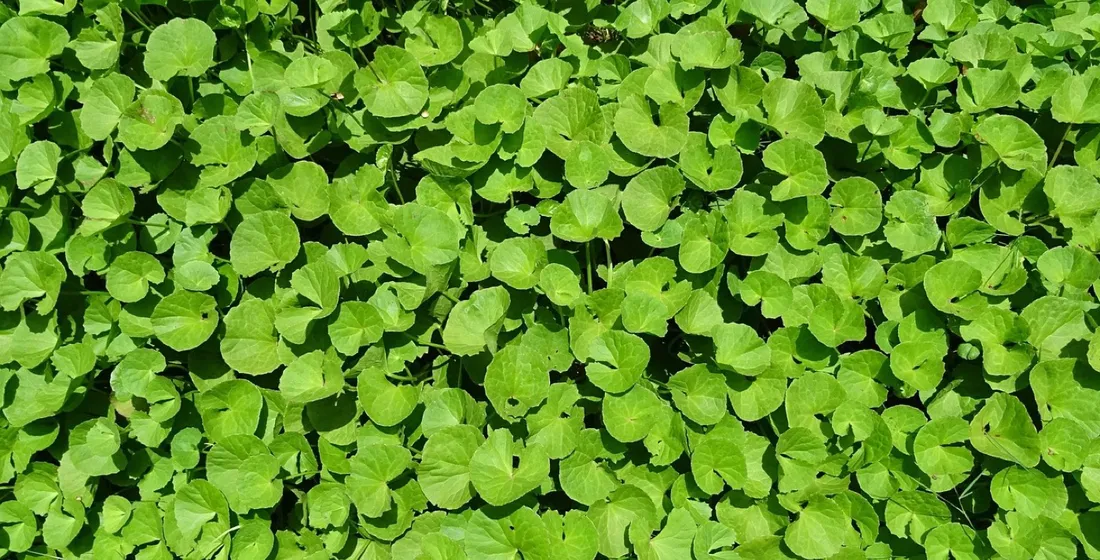
RFQ snapshot
- Gotukola (Centella asiatica) is one of the most-specified botanicals in the cognitive supplement category, a market Grand View Research valued at USD 5.22 billion in 2025. Most of that demand rides on a claim the data only partly supports.
- The honest evidence: a 2017 meta-analysis in Scientific Reports found no significant effect on cognitive-function domains versus placebo, but a measurable lift in mood and alertness. A cognitive SKU has to be specified and labelled around that distinction.
- Whole-leaf gotukola powder and a standardized Centella asiatica extract are two different ingredients. The powder carries variable, unstandardized triterpene levels; the extract states a percentage. Buy the wrong one for your claim and the spec will not defend it.
- Gotukola leaves accumulate lead and other heavy metals from soil, so a credible RFQ names a heavy-metal panel alongside the usual microbial one.
- Silk Foods Ceylon (SFC) supplies gotukola as pyramid-cut and milled leaf powder from Matale under BRCGS and FSSC 22000 V6, with a 50 kg first-order MOQ and per-batch COA. This post is the spec to put in your next RFQ.
Gotukola sells on the brain. Walk any nootropic shelf and the leaf shows up in focus blends, calm-and-clarity stacks, and adaptogen capsules, almost always with a cognition story attached. The story runs ahead of the evidence, and the gap is a procurement problem before it is a marketing one. A buyer who specifies gotukola powder on price, then builds a cognitive claim on top of it, can end up with an ingredient that neither the data nor the spec sheet will back. This piece is for the wellness and nutraceutical product teams who want a defensible gotukola spec, and a claim they can stand behind, before the first sample request.
What does the clinical evidence actually say about gotu kola and cognition?
The strongest human synthesis to date is cautious. In 2017, a systematic review and meta-analysis in Scientific Reports (Nature) pooled randomized trials of Centella asiatica and found no significant difference from placebo across cognitive-function domains. The same analysis did find a measurable improvement in mood, including higher alertness and lower anger scores one hour after dosing. The signal is real, but it points at mood, not memory.
That distinction matters for a label. Most preclinical support for gotukola as a neuroprotectant comes from animal and mechanistic work, where the triterpenes and the leaf extract show effects on the hippocampus and on markers of oxidative stress. Animal data does not carry a human cognitive claim. The honest reading of the human evidence is that gotukola has a defensible mood and alertness story, an emerging healthy-ageing research thread, and a cognitive-enhancement claim that outruns the trials.
For a product team, the practical consequence is to write the claim the evidence supports and specify the ingredient that delivers it. A calm-focus or mental-alertness positioning sits closer to the data than a memory or cognitive-performance positioning. The ingredient spec then has to match: a claim resting on triterpene activity needs a triterpene number on the COA, which a commodity leaf powder rarely carries.
Buyers building a botanical actives line usually run the same questions across herbs; the moringa leaf powder spec primer and the ashwagandha root vs leaf for capsule formulators walk the same spec-versus-claim logic.
Whole-leaf powder versus standardized extract: two different ingredients
Whole-leaf gotukola powder is milled dried leaf. A standardized Centella asiatica extract is concentrated and assayed to a stated triterpene percentage, commonly 10 percent, 20 percent, or 40 percent total triterpenoids, with high-potency grades reaching 65 percent or more. The two are not interchangeable. The powder is a food-form botanical; the extract is a quantified active. Pricing, dosing, and claim strength all turn on which one the RFQ actually names.
Leaf powder is the right choice for traditional-use positioning, tea and food formats, and full-spectrum capsule blends where the buyer wants the whole leaf rather than an isolated fraction. Its triterpene content is real but variable, shifting with origin, season, leaf maturity, and drying method. Unless the supplier assays each lot, the powder ships without a triterpene number, which is fine for a traditional-use SKU and a problem for an actives-led claim.
A standardized extract is the right choice when the claim leans on a dose of asiaticoside, madecassoside, or total triterpenes, because the percentage lets the formulator calculate an active dose per capsule and hold it constant across batches. The trade-off is cost and a different regulatory profile: in the EU, the whole leaf is established in food use, while some concentrated extract forms can fall under separate assessment. Match the form to the claim, then to the market.
| Attribute | Whole-leaf gotukola powder | Standardized Centella asiatica extract |
|---|---|---|
| Form | Milled dried leaf | Concentrated, assayed fraction |
| Triterpene content | Variable, usually unstandardized | Stated percentage (10 to 65 percent or more) |
| Active dose control | Approximate | Calculable per capsule, batch to batch |
| Best-fit claim | Traditional use, mood and alertness, full-spectrum | Triterpene-dose-led actives claim |
| Relative cost per kg | Lower | Higher |
| Typical format | Capsules, tea cut, powder blends | Capsules, tablets, concentrated sachets |
Source: Silk Route Ventures (SRV) trade desk plus the triterpene-composition literature cited in Sources.
The same form-versus-actives split shapes adaptogen sourcing; see triphala formulation for adaptogen blends.
The active markers: asiaticoside, madecassoside, and total triterpenes
Gotukola’s characterised actives are four pentacyclic triterpenes: asiaticoside and madecassoside (the glycosides) and their aglycones asiatic acid and madecassic acid. Research in Molecules (MDPI, 2011) on Centella asiatica confirmed these as the principal bioactive markers, with madecassoside and asiaticoside typically the most abundant. For a cognitive or actives-led SKU, total triterpenes is the number the COA should carry.
The leaf is also a source of flavonoids and other phenolics that contribute antioxidant activity, but the triterpenes are the marker compounds a buyer can specify and a lab can assay. If the brand claim rests on the actives, the RFQ should name a minimum total-triterpene figure and the assay method, usually HPLC, so that every lot is checked against the same line. A powder bought without that line is bought on faith.
For whole-leaf powder where standardization is not commercial at the powder stage, the workable middle path is a stated typical range plus a per-lot assay on request. That gives the formulator a realistic dosing basis without paying extract prices, and it gives the brand a defensible figure to hold behind any structure-function language. The point is not to force standardization onto a leaf powder. It is to stop a claim from floating free of a number.
Heavy metals and the contaminant panel gotukola actually needs
Gotukola grows low to wet ground and takes up heavy metals from soil. A 2021 study in Discover Applied Sciences (Springer) measuring metals in the edible portions of Centella asiatica found lead accumulates in the leaves, the part that becomes the powder. A nutraceutical-grade gotukola spec therefore names a heavy-metal panel with destination-aligned limits, not a microbial panel alone.
In Q1 2026, the SRV procurement desk saw the same gap twice in one quarter: two US wellness brands had each qualified a gotukola powder on a microbial COA only, then found at their own finished-product testing that lead sat close to their internal action level. Neither had asked for a heavy-metal panel on the raw material. The fix was not a new supplier. It was a complete spec and a per-lot heavy-metal assay written into the contract before the first order.
A workable contaminant spec for gotukola powder covers lead, cadmium, arsenic, and mercury against the destination market’s action levels, a pesticide-residue panel aligned to the target market, and the standard microbial set: total plate count, yeast and mould, plus Salmonella and E. coli absence. For organic SKUs, farm-level traceability and an organic transaction certificate carry the claim downstream. The contaminant panel is where a cheap leaf powder quietly becomes expensive.
Spec snapshot: gotukola (Centella asiatica) leaf powder
- Botanical identity: Centella asiatica, leaf, species-verified
- Marker actives: total triterpenes (asiaticoside, madecassoside, asiatic acid, madecassic acid), HPLC, stated range or per-lot assay
- Mesh: specify (commonly 80 to 100 mesh for capsules); pyramid cut for tea formats
- Moisture: typically below 10 percent for powder stability
- Heavy metals: lead, cadmium, arsenic, mercury to destination action levels
- Microbial: TPC, yeast and mould, Salmonella and E. coli absence; pesticide panel to market
- SFC MOQ: 50 kg first order per SKU; per-batch COA; farm traceability for organic lines
Traceability is the backbone of a clean contaminant story; the Sri Lankan herb supply chain traceability post covers how far back the documentation runs.
Making a cognitive claim: what US and EU labels allow
The claim a gotukola SKU can carry depends on the market and the evidence behind it. In the US, structure-function claims are allowed under DSHEA with the standard FDA disclaimer, but the brand must hold substantiation and cannot state that the product treats or prevents disease. In the EU, most botanical health claims, including for Centella asiatica, sit on hold pending evaluation, so specific cognitive claims on a food supplement are not cleared for use.
For US-bound product, the safer ground is the claim the human data supports: alertness, mood, or a calm-focus positioning rather than memory or cognitive performance, with substantiation on file. The 2017 Scientific Reports meta-analysis is a usable anchor for a mood and alertness claim and a caution against a hard cognition claim.
For EU-bound product, the European Medicines Agency has assessed Centella asiatica leaf as a traditional herbal medicinal product for specific indications, a separate route from a food-supplement health claim. A brand selling gotukola as a supplement in the EU works within the on-hold botanical-claims regime and the general labelling rules, not against a cleared cognitive claim. Briefing the supplier on the destination market early keeps the spec and the claim aligned from the first sample.
Specifying gotukola powder in a sourcing RFQ
A defensible gotukola RFQ names the form (whole-leaf powder or standardized extract) before it names a price, states the triterpene basis the claim will rest on, and asks for the contaminant panel the destination market will audit. The checklist below is the one the SRV trade desk works from when a buyer opens a gotukola line for a cognitive or wellness SKU.
Buyer’s checklist: gotukola powder RFQ
- Form stated: whole-leaf powder or standardized extract, before price is discussed
- Botanical identity confirmed in writing: Centella asiatica, leaf
- Total-triterpene basis: stated range or per-lot HPLC assay, named method
- Mesh and bulk density for your capsule or sachet dosing system
- Moisture percentage and a moisture-barrier pack for shelf life
- Heavy-metal panel (lead, cadmium, arsenic, mercury) to destination action levels
- Pesticide-residue panel aligned to the destination market
- Microbial panel: TPC, yeast and mould, Salmonella and E. coli
- Per-batch COA and farm-level traceability for any organic SKU
- Target-market claim stated up front so form and label stay aligned
- Sample dispatched against the spec before any purchase order
New buyers can start with how to evaluate a Sri Lankan supplier. The cert questions behind the spec are covered in the FSSC 22000 V6 scope explainer and the USDA Organic and EU Organic dual certification guide.
How does Silk Foods Ceylon supply gotukola?
Silk Foods Ceylon (SFC) supplies gotukola as pyramid-cut leaf for tea formats and as milled leaf powder for capsules and blends, processed at its Matale facility on a herb line rated at 100 to 200 kg per hour. The site holds BRCGS and FSSC 22000 V6, ships a per-batch COA, and sets a 50 kg first-order MOQ per SKU. For standardized-extract requirements, the SRV trade desk specs and sources to the buyer’s triterpene parameters.
The MOQ is per product, not per total order. A buyer opening a single gotukola SKU starts at 50 kg, with volume-tier pricing at the 500 kg, 1,000 kg, and 2,500 kg breaks. Samples ship door-to-door by international courier in 3 to 5 business days; production lead time from purchase order to dispatch is 2 to 3 weeks; sea freight runs 4 to 5 weeks to the US and 3 to 4 weeks to the EU and Australia.
For wellness brands moving from bulk ingredient to a finished SKU, the same gotukola is available as a private-label capsule run from the same site, and the SRV R&D and NPD team scopes custom blends where gotukola sits alongside other functional botanicals. Matale, near the geographic centre of Sri Lanka, is the country’s long-standing herb-growing belt, which keeps the leaf close to the dryer and the traceability short.
For brands weighing a finished SKU, the the 180-bottle capsule contract manufacturing MOQ sets out the economics.
Frequently asked questions
Does gotu kola actually improve cognition?
The human evidence is mixed. A 2017 meta-analysis in Scientific Reports found no significant effect on cognitive-function domains versus placebo, but did find improved mood and alertness one hour after dosing. A defensible label leans on the mood and alertness data, not on a memory or cognitive-performance claim.
What is the difference between gotukola powder and Centella asiatica extract?
Whole-leaf powder is milled dried leaf with variable, usually unstandardized triterpene content. A standardized extract is concentrated and assayed to a stated triterpene percentage, commonly 10 to 40 percent or higher. The extract lets a formulator hold an active dose constant; the powder suits traditional-use and full-spectrum SKUs.
What contaminant testing does gotukola powder need?
Gotukola leaves accumulate heavy metals from soil, with lead concentrating in the leaf, per a 2021 Springer study. A nutraceutical-grade spec names lead, cadmium, arsenic, and mercury to destination action levels, a pesticide panel to market, plus TPC, yeast and mould, Salmonella, and E. coli, with a per-batch COA.
Can I make a cognitive claim on a gotukola supplement?
It depends on the market. In the US, structure-function claims are allowed under DSHEA with the FDA disclaimer and held substantiation, but no disease claims. In the EU, most Centella asiatica botanical health claims sit on hold pending evaluation, so a specific cognitive claim on a food supplement is not cleared for use.
Does SRV supply bulk or private-label gotukola under USDA Organic or EU Organic?
Yes. Silk Route Ventures supplies gotukola as bulk leaf powder or pyramid cut, and as a finished private-label capsule SKU, from the BRCGS and FSSC 22000 V6 audited Silk Foods Ceylon facility in Matale, with USDA Organic and EU Organic available per SKU. First-order MOQ is 50 kg, with a per-batch COA and farm-level traceability for organic lines.
How Silk Route Ventures can help
Silk Route Ventures (SRV) supplies gotukola and a broad range of Ayurvedic and functional botanicals (ashwagandha, moringa, triphala, sarsaparilla, turmeric) to wellness and nutraceutical brands across the US, EU, and Australia. Bulk leaf powder and pyramid cut ship against the buyer’s spec from the BRCGS and FSSC 22000 V6 audited Silk Foods Ceylon facility in Matale, with a per-batch COA, a heavy-metal panel to destination action levels, and USDA Organic and EU Organic available per SKU. First-order MOQ is 50 kg per SKU; samples ship door-to-door by international courier in 3 to 5 business days.
For brands moving from bulk ingredient to a finished product, gotukola is available as a private-label capsule SKU at a 180-bottle MOQ from the same site, and the SRV R&D and NPD team develops custom blends where gotukola sits alongside other functional botanicals. Contact SRV to send an inquiry or request a sample.